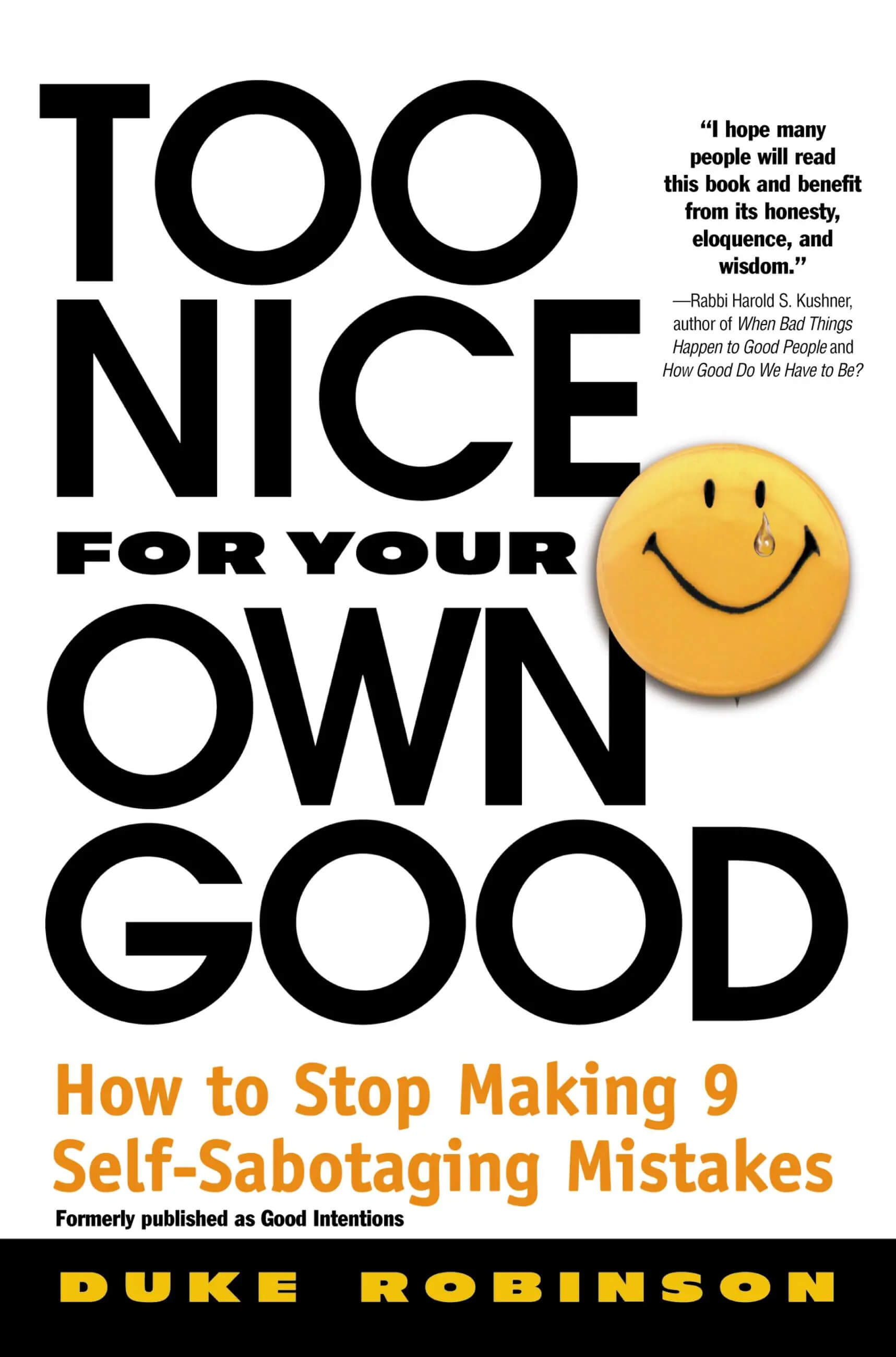
Summary Too Nice for Your Own Good pdf
Quotes from Too Nice for Your Own Good pdf
review Too Nice for Your Own Good pdf
Book summary: Too Nice for Your Own Good
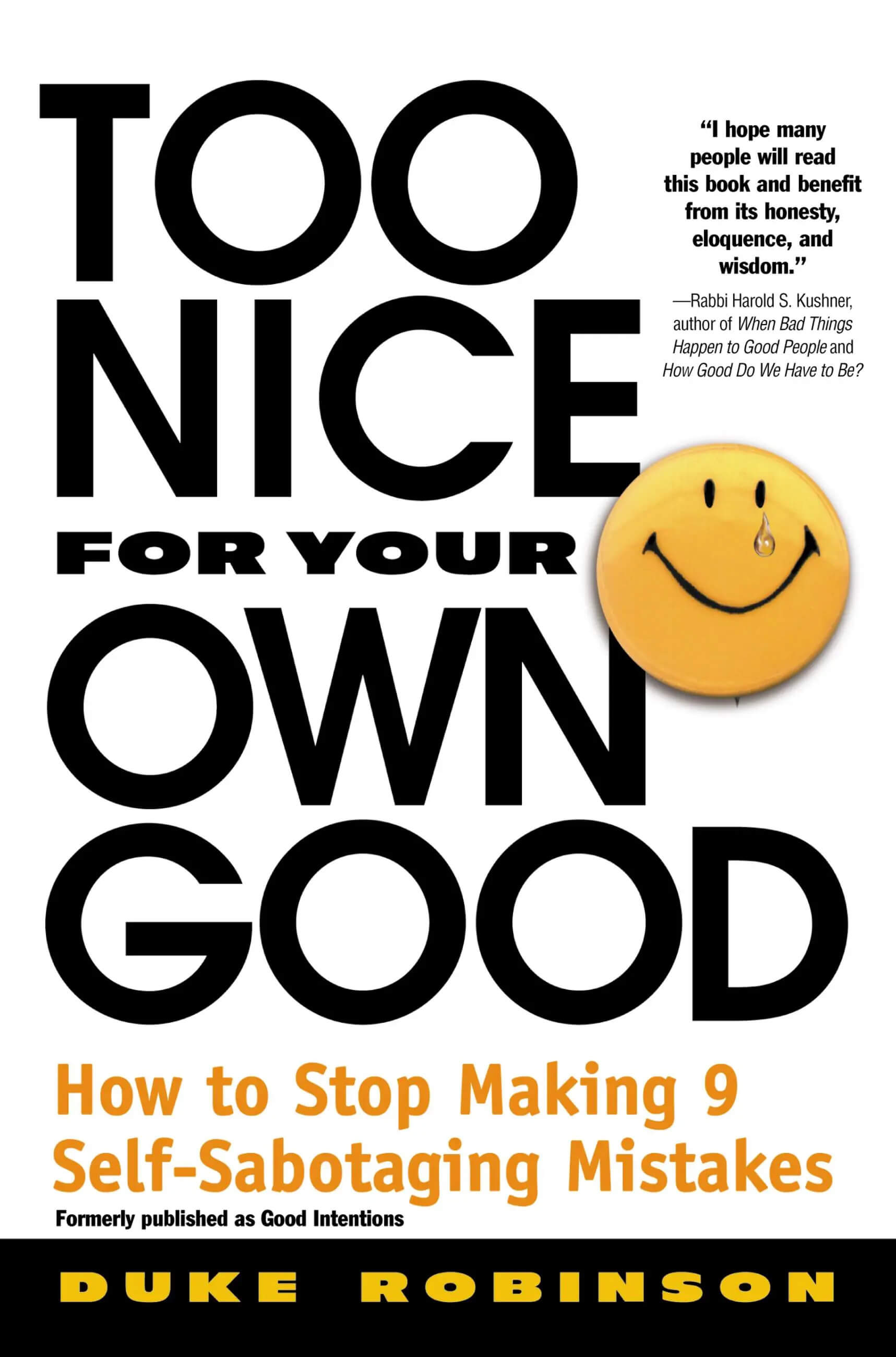
Duke Robinson distinguishes kindness chosen from personal values from excessive niceness driven by fear of rejection or conflict. A freely kind person helps because they want to and can. A people-pleaser may say yes while angry, hide needs, and expect others to understand an unspoken sacrifice. Compassion is not the problem; honesty and boundaries have disappeared. When approval becomes a condition of safety, behavior that looks pleasant produces exhaustion and resentment. People around the “nice” person may then be surprised by an explosion after years of silent agreement.
The book organizes the pattern around self-sabotaging mistakes including perfectionism, tolerating the intolerable, rescuing without being asked, suppressing anger, avoiding truth, and giving advice when listening was needed. Each mistake offers short-term relief: perfection reduces possible criticism, silence delays confrontation, and rescuing creates a feeling of importance. The long-term price is fatigue, unbalanced relationships, and other people having no reliable knowledge of one’s needs. Change starts with a precise inventory: what did I do, which fear did it avoid, and what price am I paying?
A boundary is neither punishment nor a wall. It communicates what someone can and cannot provide and works best when expressed early. “I cannot do that today” may be enough without a long defense. An alternative should be offered only if it is genuinely wanted. This requires tolerating another person’s discomfort. Some people will need time to adapt; those who benefited from absent boundaries may resist. Success is not universal happiness but clarity, consistency, and respect for both parties’ rights.
Robinson treats anger as information about violation or need, not permission to harm. Suppression can turn into sarcasm, withdrawal, or eruption. Healthy expression describes the event, its effect, and a request. A sincere apology is appropriate when harm was done, but constantly apologizing for existing or disagreeing is not. Relationships also need direct requests instead of hidden tests. “Please call before visiting” is more workable than waiting and later blaming the other person for failing to guess.
The book is useful for readers who confuse kindness with compliance, although its broad categories will not fit every culture or relationship. In abusive or dangerous situations, direct confrontation may require a safety plan and outside support. The goal is not cold individualism. It is more honest kindness: help from freedom, refuse without contempt, express anger without violence, and allow other adults to carry responsibility. Good boundaries protect relationships capable of respect and expose those that depended on exploitation.
A clearer view of “Too Nice for Your Own Good” emerges when the summary is organized around four connected themes: «Kindness is a choice», «A boundary is information», «Anger is a signal», «Ask directly». In theme 1, Help from willingness and capacity rather than fear of disapproval. In theme 2, State early what is and is not possible. In theme 3, Convert it into description, need, and request rather than silence or harm. In theme 4, Hidden expectations generate resentment; clear requests permit honest answers. These themes are not isolated rules. They are lenses for understanding the argument, the characters’ movement, and the consequences the work asks readers to consider. While reading, it helps to record the central claim in each part, the example supporting it, and the question still unanswered, then compare those notes with personal experience or an independent source whenever historical or scientific facts are involved. This prevents an attractive phrase from becoming a universal truth and separates what the author actually states from what the reader infers. With a practical nonfiction book, one idea can be tested for a week, with results and obstacles recorded before the method is adjusted; trying everything at once makes evaluation impossible. With fiction, the equivalent test is to track changes in character, the narrator’s reliability, and whether the ending answers the tensions the plot created. A final three-sentence note—main insight, strongest objection, and one action or question worth pursuing—makes the reading easier to retain without exaggerating the book’s promises or dismissing its value. The book then becomes the beginning of a revisable conversation shaped by context, goals, and edition, not a closed recipe or a collection of quotations.
Book and author information
Author: Duke Robinson, an American writer and counselor.
Full title: Too Nice for Your Own Good: How to Stop Making 9 Self-Sabotaging Mistakes.
First published: 1997.
Length: editions vary; the listed 2012 Arabic Jarir edition contains 281 pages.
Key ideas
Kindness is a choice
Help from willingness and capacity rather than fear of disapproval.
A boundary is information
State early what is and is not possible.
Anger is a signal
Convert it into description, need, and request rather than silence or harm.
Ask directly
Hidden expectations generate resentment; clear requests permit honest answers.
Review and rating
Editorial rating: 4.1 / 5.
A practical guide for people-pleasers who need concrete language for boundaries, refusal, and anger.
Some categories are simplified, and direct confrontation is not safe in every relationship. Culture, power, and safety require adaptation.
Frequently asked questions
1. Does the book tell me to stop being kind?
No. It supports free, honest kindness without fear or resentment.
2. How can I say no?
Use a short clear answer and offer an alternative only when you truly want to.
3. Are boundaries selfish?
They protect capacity and prevent promises that cannot be kept.
4. What should I do with anger?
Name the event, impact, need, and request without insults or threats.
5. What about an abusive relationship?
Use a safety plan and qualified support; confrontation alone may be unsafe.
"Too Nice for Your Own Good pdf": If it appears on the site in a way that violates copyright, please contact us immediately via the contact form or email to have it removed immediately out of respect for intellectual property rights. Call us: contact@market-books.com
Share the book with your friends


Too Nice for Your Own Good pdf
Too Nice for Your Own Good pdf مترجم
Too Nice for Your Own Good pdf in french
Too Nice for Your Own Good pdf en france
Too Nice for Your Own Good pdf en français
Too Nice for Your Own Good pdf بالفرنسية
Too Nice for Your Own Good pdf in English
Too Nice for Your Own Good pdf en anglais
Too Nice for Your Own Good pdf بالإنجليزية
Too Nice for Your Own Good pdf in Arabic
Too Nice for Your Own Good pdf en arabe
Too Nice for Your Own Good pdf بالعربية
Too Nice for Your Own Good pdf in Arabic
Too Nice for Your Own Good pdf in English
Too Nice for Your Own Good pdf in french
Too Nice for Your Own Good pdf in french For free
Too Nice for Your Own Good pdf en france For free
Too Nice for Your Own Good pdf en français For free
Too Nice for Your Own Good pdf بالفرنسية For free
Too Nice for Your Own Good pdf in English For free
Too Nice for Your Own Good pdf en anglais For free
Too Nice for Your Own Good pdf بالإنجليزية For free
Too Nice for Your Own Good pdf in Arabic For free
Too Nice for Your Own Good pdf en arabe For free
Too Nice for Your Own Good pdf بالعربية For free
Too Nice for Your Own Good pdf in Arabic For free
Too Nice for Your Own Good pdf in English For free
Too Nice for Your Own Good pdf in french For free
Books in the same category


Download a book Secrets of the Millionaire Mind pdf

Download a book Pharaohs thieves of civilization pdf


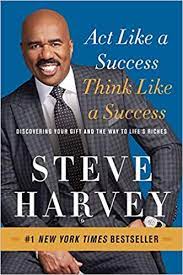
Download a book Act Like a Success Think Like a Success pdf



Download a book The Power of Your Subconscious pdf

Download a book Staying Strong: 365 Days a Year pdf

Download a book The Subtle Art of Not Giving a F*ck pdf





Download a book How to Sell Anything to Anybody pdf








Download the book Full of Emptiness in PDF format

Download the book I Loved and Tomorrow in PDF format

Download the book Know Your Other Face in PDF format












Never Again Will I Be Defeated PDF – Abdullah Mohammed Al-Turki