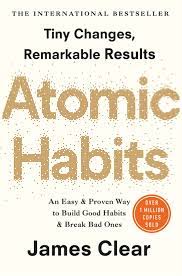
Summary Download the book ATOMIC HABITS PDF
Quotes from Download the book ATOMIC HABITS PDF
review Download the book ATOMIC HABITS PDF
Atomic Habits Summary
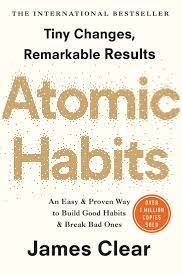
In “Atomic Habits,” James Clear argues that lasting improvement rarely begins with one dramatic decision. It grows from small actions repeated long enough to change a person’s direction. A tiny improvement may feel meaningless today, but its effect compounds when it becomes part of daily life. The same principle works in reverse: a minor harmful behavior can quietly create a large cost when it is repeated for months or years.
Clear separates goals from systems. A goal describes the result someone wants, while a system organizes the behaviors that make that result more likely. Winners and losers may share the same goal; the difference is often the process they follow. Goals still provide direction, but they cannot manage an ordinary Tuesday. Once the destination is chosen, attention should move to the schedule, environment, and repeatable actions.
The book’s deepest level of change is identity. Instead of saying, “I want to read more,” a person can practice becoming “someone who reads every day.” Each completed action is a vote for that identity. One vote proves very little, but repeated evidence makes the new self-image believable. This approach is more stable than chasing a distant reward because the action expresses who the person is trying to become.
Clear describes a habit loop with four stages: cue, craving, response, and reward. His four laws of behavior change follow this loop. To build a useful habit, make it obvious, attractive, easy, and satisfying. To weaken a bad habit, make it invisible, unattractive, difficult, and unsatisfying. Placing a book on the pillow creates a visible cue; reading two pages lowers resistance; marking the action on a calendar gives an immediate sense of completion.
Environment often matters more than willpower. Motivation changes with stress and fatigue, but a well-designed room keeps shaping behavior. Moving the phone away from a desk, preparing exercise clothes, or removing notifications reduces the number of decisions required at a weak moment. Clear also recommends habit stacking: attach a new behavior to something that already happens, such as writing one paragraph after morning coffee.
Results may remain hidden during what Clear calls a plateau of latent potential. People often quit because they mistake delayed evidence for failed effort. Tracking can protect consistency, but the record should not become the goal itself. A useful rule is “never miss twice.” Missing one session is normal; returning at the next opportunity keeps an exception from becoming a new pattern. The aim is not perfection but a reliable return to the system.
"Download the book ATOMIC HABITS PDF": If it appears on the site in a way that violates copyright, please contact us immediately via the contact form or email to have it removed immediately out of respect for intellectual property rights. Call us: contact@market-books.com
Share the book with your friends


Download the book ATOMIC HABITS PDF
Download the book ATOMIC HABITS PDF مترجم
Download the book ATOMIC HABITS PDF in french
Download the book ATOMIC HABITS PDF en france
Download the book ATOMIC HABITS PDF en français
Download the book ATOMIC HABITS PDF بالفرنسية
Download the book ATOMIC HABITS PDF in English
Download the book ATOMIC HABITS PDF en anglais
Download the book ATOMIC HABITS PDF بالإنجليزية
Download the book ATOMIC HABITS PDF in Arabic
Download the book ATOMIC HABITS PDF en arabe
Download the book ATOMIC HABITS PDF بالعربية
Download the book ATOMIC HABITS PDF in Arabic
Download the book ATOMIC HABITS PDF in English
Download the book ATOMIC HABITS PDF in french
Download the book ATOMIC HABITS PDF in french For free
Download the book ATOMIC HABITS PDF en france For free
Download the book ATOMIC HABITS PDF en français For free
Download the book ATOMIC HABITS PDF بالفرنسية For free
Download the book ATOMIC HABITS PDF in English For free
Download the book ATOMIC HABITS PDF en anglais For free
Download the book ATOMIC HABITS PDF بالإنجليزية For free
Download the book ATOMIC HABITS PDF in Arabic For free
Download the book ATOMIC HABITS PDF en arabe For free
Download the book ATOMIC HABITS PDF بالعربية For free
Download the book ATOMIC HABITS PDF in Arabic For free
Download the book ATOMIC HABITS PDF in English For free
Download the book ATOMIC HABITS PDF in french For free
Books in the same category


Download a book Secrets of the Millionaire Mind pdf

Download a book Pharaohs thieves of civilization pdf




Download a book Act Like a Success Think Like a Success pdf




Download a book The Power of Your Subconscious pdf

Download a book Staying Strong: 365 Days a Year pdf


Download a book The Subtle Art of Not Giving a F*ck pdf





Download a book How to Sell Anything to Anybody pdf










Download the book Full of Emptiness in PDF format

Download the book I Loved and Tomorrow in PDF format

Download the book Know Your Other Face in PDF format




















Never Again Will I Be Defeated PDF – Abdullah Mohammed Al-Turki