Summary The Art of Spending Money pdf
Quotes from The Art of Spending Money pdf
review The Art of Spending Money pdf
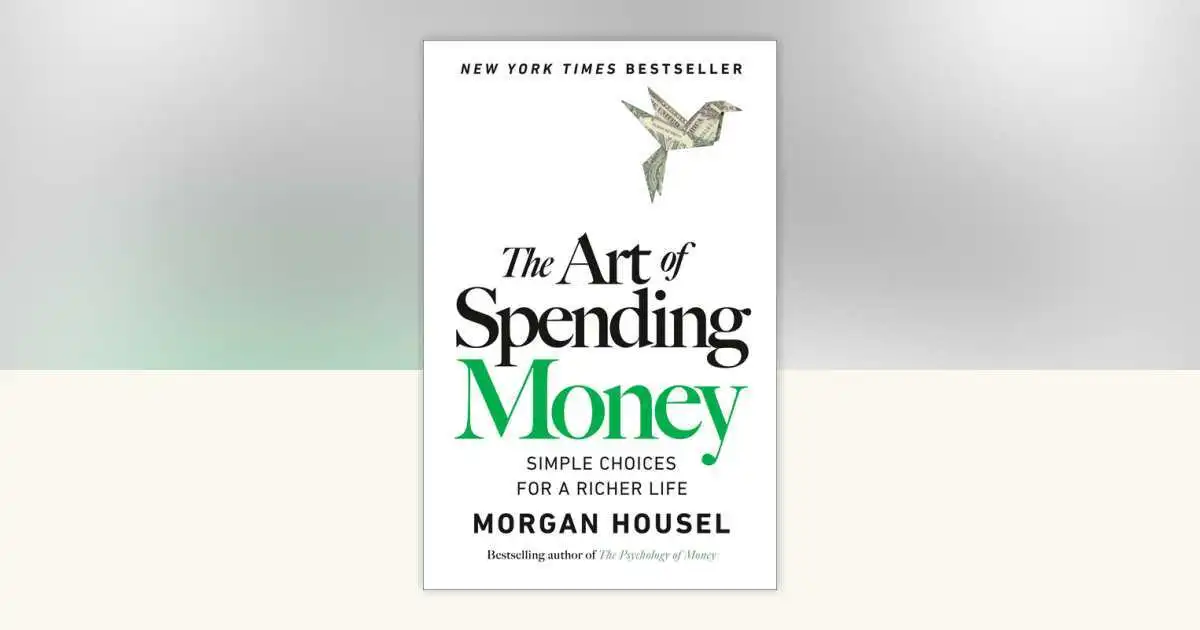
Book summary: The Art of Spending Money
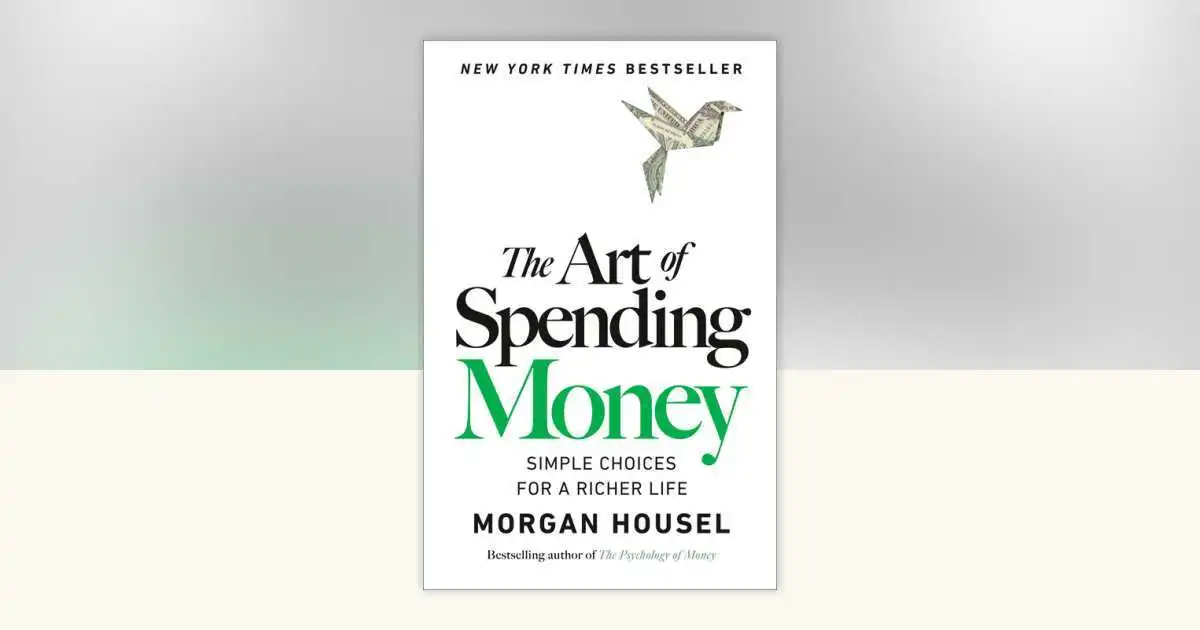
Morgan Housel begins with a neglected problem: learning how to earn, save, and invest money does not tell us how to spend it in ways that improve life. Someone can accumulate wealth while remaining anxious and trapped in comparison, while another person can spend less and gain more calm and freedom. The book therefore offers neither a universal budget nor an ideal shopping list. It investigates the psychology behind spending: what are we trying to prove, whose approval are we seeking, and how can we separate a genuine preference from a desire borrowed from the people around us?
The central argument is that money should translate values into lived conditions, not function as a public scoreboard. The best purchase is not necessarily the most luxurious one; it is the one that fits the owner’s personality, responsibilities, and season of life. Money can buy time, reduce worry, make it possible to leave harmful work, or support someone important. When success is measured through strangers’ admiration, consumption becomes a race without a finish line. When it is measured through autonomy and contentment, spending becomes quieter, more deliberate, and easier to explain to oneself.
Housel also challenges the assumption that a higher price reliably produces greater happiness. People adapt quickly to new possessions, while payments, maintenance, and expectations remain. What looks like wealth from the outside may be debt and pressure on the inside. This is not an argument for joyless frugality. The book supports intentional enjoyment but distinguishes real pleasure from imitation. The useful question is not merely, “Can I afford the price?” It is, “What will this purchase give me after the excitement fades, and what future freedom am I exchanging for it?”
The discussion of experiences and possessions is similarly nuanced. Experiences often produce memories, connection, and stories whose value can grow. Yet a suitable home or a tool used every day can be an excellent investment in quality of life. Frequency of use and long-term effect matter more than the category. Financial advice is personal: a person shaped by poverty may sensibly pay for security; an exhausted professional may pay for time; a craftsperson may value an exceptional tool without needing to defend the choice as financially optimal for everyone.
The practical conclusion is to define “enough.” Without an internal stopping point, wants expand with income and wealth turns into an endless competition. Housel favors margins of safety, fewer commitments that trap the future, and purchases that can be justified privately rather than performed publicly. Money’s deepest value lies in the options it creates and the pressure it removes. No spending formula fits everybody, but one rule travels well: spend more on autonomy, time, relationships, and meaning, and less on purchases whose main purpose is sending a temporary signal to other people.
A clearer view of “The Art of Spending Money” emerges when the summary is organized around four connected themes: «Money is a tool, not a ranking», «Buy time and optionality», «Define enough», «Judge the afterlife of a purchase». In theme 1, Its value comes from the life it enables rather than the status it displays. In theme 2, Lower commitments and greater choice can matter more than higher consumption. In theme 3, Without a personal limit, each increase in income creates another level of expectation. In theme 4, Good spending remains useful after the initial excitement has disappeared. These themes are not isolated rules. They are lenses for understanding the argument, the characters’ movement, and the consequences the work asks readers to consider. While reading, it helps to record the central claim in each part, the example supporting it, and the question still unanswered, then compare those notes with personal experience or an independent source whenever historical or scientific facts are involved. This prevents an attractive phrase from becoming a universal truth and separates what the author actually states from what the reader infers. With a practical nonfiction book, one idea can be tested for a week, with results and obstacles recorded before the method is adjusted; trying everything at once makes evaluation impossible. With fiction, the equivalent test is to track changes in character, the narrator’s reliability, and whether the ending answers the tensions the plot created. A final three-sentence note—main insight, strongest objection, and one action or question worth pursuing—makes the reading easier to retain without exaggerating the book’s promises or dismissing its value. The book then becomes the beginning of a revisable conversation shaped by context, goals, and edition, not a closed recipe or a collection of quotations.
Book and author information
Author: Morgan Housel, an American writer on financial behavior and author of The Psychology of Money.
Full title: The Art of Spending Money: Simple Choices for a Richer Life.
Publication: Portfolio, 2025.
Length: 256 pages
Key ideas
Money is a tool, not a ranking
Its value comes from the life it enables rather than the status it displays.
Buy time and optionality
Lower commitments and greater choice can matter more than higher consumption.
Define enough
Without a personal limit, each increase in income creates another level of expectation.
Judge the afterlife of a purchase
Good spending remains useful after the initial excitement has disappeared.
Review and rating
Editorial rating: 4.4 / 5.
The book’s strongest move is replacing “How should I save?” with “What kind of life should my money fund?” Housel’s clear stories make it useful for readers who know basic finance but still struggle with comparison and consumption.
It is more philosophical than procedural, so readers seeking detailed budgets or fixed percentages will not find them. Several themes extend The Psychology of Money, although the focus on spending gives them a worthwhile new frame.
Frequently asked questions
1. Does the book promote extreme frugality?
No. It promotes intentional spending rather than deprivation for its own sake.
2. What is the most valuable thing money can buy?
The book repeatedly emphasizes time, independence, and lower stress.
3. Are experiences always better than possessions?
No. Use, durability of benefit, and personal priorities matter more than category.
4. Who is this book for?
Readers who understand saving and investing but want clarity about what money is ultimately for.
5. Does it replace professional financial advice?
No. Its behavioral principles do not replace advice tailored to your income, debts, taxes, and country.
"The Art of Spending Money pdf": If it appears on the site in a way that violates copyright, please contact us immediately via the contact form or email to have it removed immediately out of respect for intellectual property rights. Call us: contact@market-books.com
Share the book with your friends


The Art of Spending Money pdf
The Art of Spending Money pdf مترجم
The Art of Spending Money pdf in french
The Art of Spending Money pdf en france
The Art of Spending Money pdf en français
The Art of Spending Money pdf بالفرنسية
The Art of Spending Money pdf in English
The Art of Spending Money pdf en anglais
The Art of Spending Money pdf بالإنجليزية
The Art of Spending Money pdf in Arabic
The Art of Spending Money pdf en arabe
The Art of Spending Money pdf بالعربية
The Art of Spending Money pdf in Arabic
The Art of Spending Money pdf in English
The Art of Spending Money pdf in french
The Art of Spending Money pdf in french For free
The Art of Spending Money pdf en france For free
The Art of Spending Money pdf en français For free
The Art of Spending Money pdf بالفرنسية For free
The Art of Spending Money pdf in English For free
The Art of Spending Money pdf en anglais For free
The Art of Spending Money pdf بالإنجليزية For free
The Art of Spending Money pdf in Arabic For free
The Art of Spending Money pdf en arabe For free
The Art of Spending Money pdf بالعربية For free
The Art of Spending Money pdf in Arabic For free
The Art of Spending Money pdf in English For free
The Art of Spending Money pdf in french For free
Books in the same category

Download a book Secrets of the Millionaire Mind pdf

Download a book Pharaohs thieves of civilization pdf
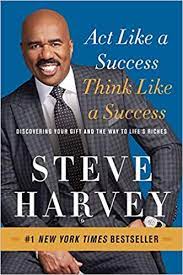
Download a book Act Like a Success Think Like a Success pdf

Download a book The Power of Your Subconscious pdf

Download a book Staying Strong: 365 Days a Year pdf
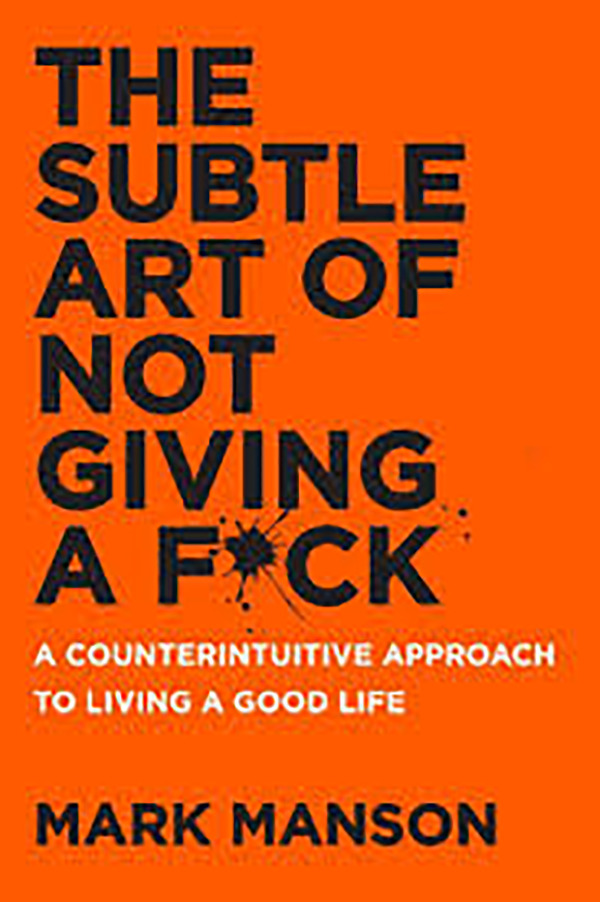
Download a book The Subtle Art of Not Giving a F*ck pdf


Download a book How to Sell Anything to Anybody pdf




Download the book Full of Emptiness in PDF format

Download the book I Loved and Tomorrow in PDF format

Download the book Know Your Other Face in PDF format




Never Again Will I Be Defeated PDF – Abdullah Mohammed Al-Turki