Summary Influencing Shopper Decisions pdf
Quotes from Influencing Shopper Decisions pdf
review Influencing Shopper Decisions pdf
Book summary: Influencing Shopper Decisions
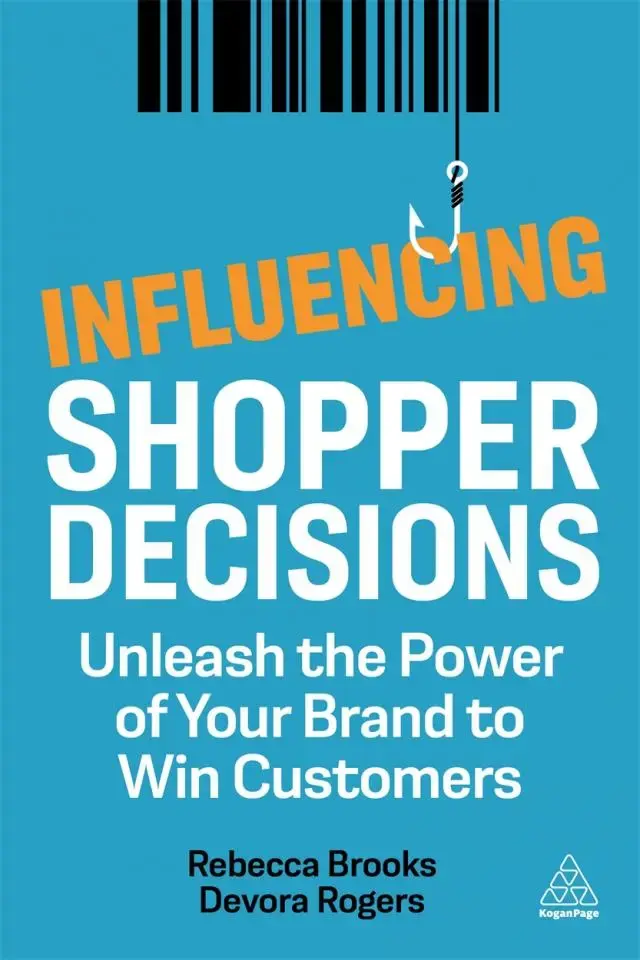
Rebecca Brooks and Devora Rogers argue that purchase decisions no longer happen in one isolated moment at a store shelf. Shoppers move through search, phones, stores, reviews, and conversations, often beginning in one channel and finishing in another. A brand cannot therefore optimize a single advertisement or touchpoint and assume the job is done. It must understand the task a person is trying to complete, the questions that appear at each stage, and the friction that causes delay or switching. The distinction between a demographic “consumer” and a “shopper” deciding within a specific context, time, and budget is central.
The book revisits marketing’s moments of truth: exposure to a message, pre-purchase research, confrontation with the offer, and experience after use. Digital media made the period before the shelf both visible and influential; one review or missing fact can reorder the whole shortlist. The authors combine quantitative research, which reveals scale and patterns, with qualitative research, which explains motivation, language, and friction. Behavioral records show what happened, while observation and interviews help explain why. Strong decisions do not rest on one metric or a polished but imaginary persona.
A brand becomes useful when it reduces the burden of choice and offers a consistent, believable promise. Shoppers need different information at different moments: a clear benefit early, comparison and proof during evaluation, and ease and confidence at action. More features and messages can increase confusion. Price, promotion, packaging, availability, interface, and after-sales support all communicate the brand, even when separate teams own them. Teams need a shared journey and outcome measures instead of improving each channel independently from the final decision.
Influence is not the same as manipulation. A good intervention removes an obstacle, clarifies a meaningful difference, or makes a promise easier to verify. Dark patterns, fake scarcity, and hidden conditions may raise short-term conversion while destroying trust. Hypotheses should be tested in real contexts, and measurement should extend beyond clicks to purchase, satisfaction, repeat behavior, and returns. The book is a research framework rather than a fixed recipe. Small businesses can still apply its core by talking to customers, watching the buying steps, recording questions and exits, and fixing the largest friction before spending more on promotion.
A clearer view of “Influencing Shopper Decisions” emerges when the summary is organized around four connected themes: «Buying is a multichannel journey», «Combine quantitative and qualitative research», «Reduce decision effort», «Measure full outcomes». In theme 1, Follow shoppers across research, evaluation, purchase, and experience. In theme 2, Behavior shows what happened; interviews help explain why. In theme 3, Provide the right information, proof, and confidence at each stage. In theme 4, Track purchase, satisfaction, repetition, and returns rather than clicks alone. These themes are not isolated rules. They are lenses for understanding the argument, the characters’ movement, and the consequences the work asks readers to consider. While reading, it helps to record the central claim in each part, the example supporting it, and the question still unanswered, then compare those notes with personal experience or an independent source whenever historical or scientific facts are involved. This prevents an attractive phrase from becoming a universal truth and separates what the author actually states from what the reader infers. With a practical nonfiction book, one idea can be tested for a week, with results and obstacles recorded before the method is adjusted; trying everything at once makes evaluation impossible. With fiction, the equivalent test is to track changes in character, the narrator’s reliability, and whether the ending answers the tensions the plot created. A final three-sentence note—main insight, strongest objection, and one action or question worth pursuing—makes the reading easier to retain without exaggerating the book’s promises or dismissing its value. The book then becomes the beginning of a revisable conversation shaped by context, goals, and edition, not a closed recipe or a collection of quotations.
Book and author information
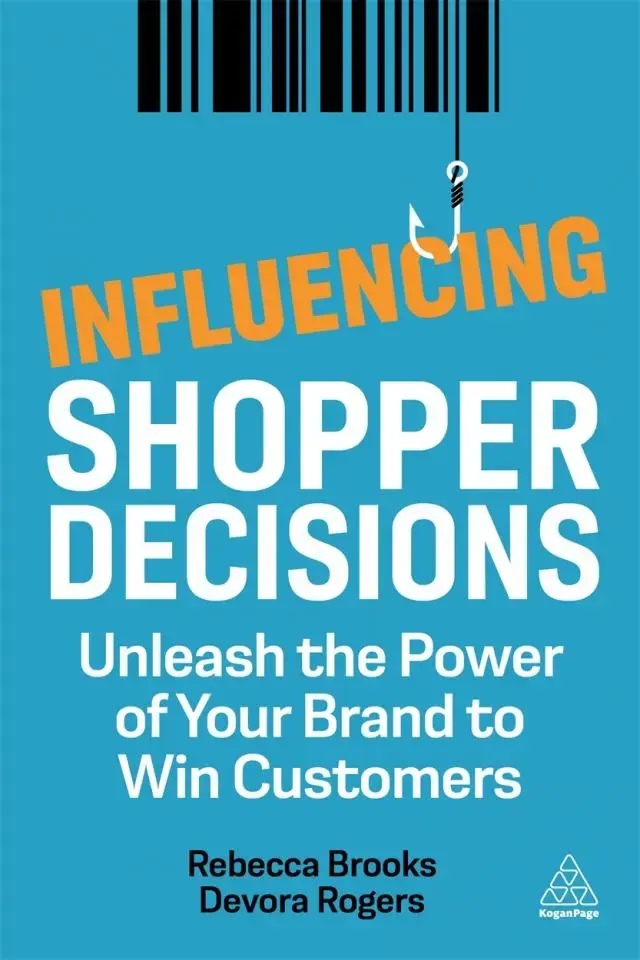
Authors: Rebecca Brooks and Devora Rogers, specialists in shopper research and strategy.
Full title: Influencing Shopper Decisions: Unleash the Power of Your Brand to Win Customers.
Publication: Kogan Page, 2022.
Length: 208 pages in the English edition.
Key ideas
Buying is a multichannel journey
Follow shoppers across research, evaluation, purchase, and experience.
Combine quantitative and qualitative research
Behavior shows what happened; interviews help explain why.
Reduce decision effort
Provide the right information, proof, and confidence at each stage.
Measure full outcomes
Track purchase, satisfaction, repetition, and returns rather than clicks alone.
Review and rating
Editorial rating: 4.2 / 5.
A strong framework for marketers and product leaders because it connects brand, research, and channels to one human decision.
The terminology and large-company cases may be heavy for beginners. Smaller organizations must simplify the tools, although the principles remain useful.
Frequently asked questions
1. What is the difference between a shopper and a consumer?
The shopper makes the purchase decision and may not be the final user.
2. What is a shopper journey?
The stages and channels between recognizing a need, evaluating, buying, and experiencing.
3. Are digital analytics enough?
No. Qualitative research often explains the motivation behind behavior.
4. How can a small business apply the ideas?
Observe a few real customers, record questions and exits, and test the biggest friction.
5. Does influence mean manipulation?
No. Sustainable influence clarifies value, reduces friction, and respects customer choice.
"Influencing Shopper Decisions pdf": If it appears on the site in a way that violates copyright, please contact us immediately via the contact form or email to have it removed immediately out of respect for intellectual property rights. Call us: contact@market-books.com
Share the book with your friends


Influencing Shopper Decisions pdf
Influencing Shopper Decisions pdf مترجم
Influencing Shopper Decisions pdf in french
Influencing Shopper Decisions pdf en france
Influencing Shopper Decisions pdf en français
Influencing Shopper Decisions pdf بالفرنسية
Influencing Shopper Decisions pdf in English
Influencing Shopper Decisions pdf en anglais
Influencing Shopper Decisions pdf بالإنجليزية
Influencing Shopper Decisions pdf in Arabic
Influencing Shopper Decisions pdf en arabe
Influencing Shopper Decisions pdf بالعربية
Influencing Shopper Decisions pdf in Arabic
Influencing Shopper Decisions pdf in English
Influencing Shopper Decisions pdf in french
Influencing Shopper Decisions pdf in french For free
Influencing Shopper Decisions pdf en france For free
Influencing Shopper Decisions pdf en français For free
Influencing Shopper Decisions pdf بالفرنسية For free
Influencing Shopper Decisions pdf in English For free
Influencing Shopper Decisions pdf en anglais For free
Influencing Shopper Decisions pdf بالإنجليزية For free
Influencing Shopper Decisions pdf in Arabic For free
Influencing Shopper Decisions pdf en arabe For free
Influencing Shopper Decisions pdf بالعربية For free
Influencing Shopper Decisions pdf in Arabic For free
Influencing Shopper Decisions pdf in English For free
Influencing Shopper Decisions pdf in french For free
Books in the same category


Download a book Secrets of the Millionaire Mind pdf

Download a book Pharaohs thieves of civilization pdf




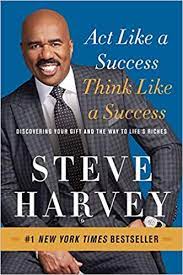
Download a book Act Like a Success Think Like a Success pdf



Download a book The Power of Your Subconscious pdf

Download a book Staying Strong: 365 Days a Year pdf


Download a book The Subtle Art of Not Giving a F*ck pdf







Download a book How to Sell Anything to Anybody pdf











Download the book Full of Emptiness in PDF format

Download the book I Loved and Tomorrow in PDF format

Download the book Know Your Other Face in PDF format













Never Again Will I Be Defeated PDF – Abdullah Mohammed Al-Turki