Summary Start with why PDF
Quotes from Start with why PDF
review Start with why PDF
Start With Why Summary
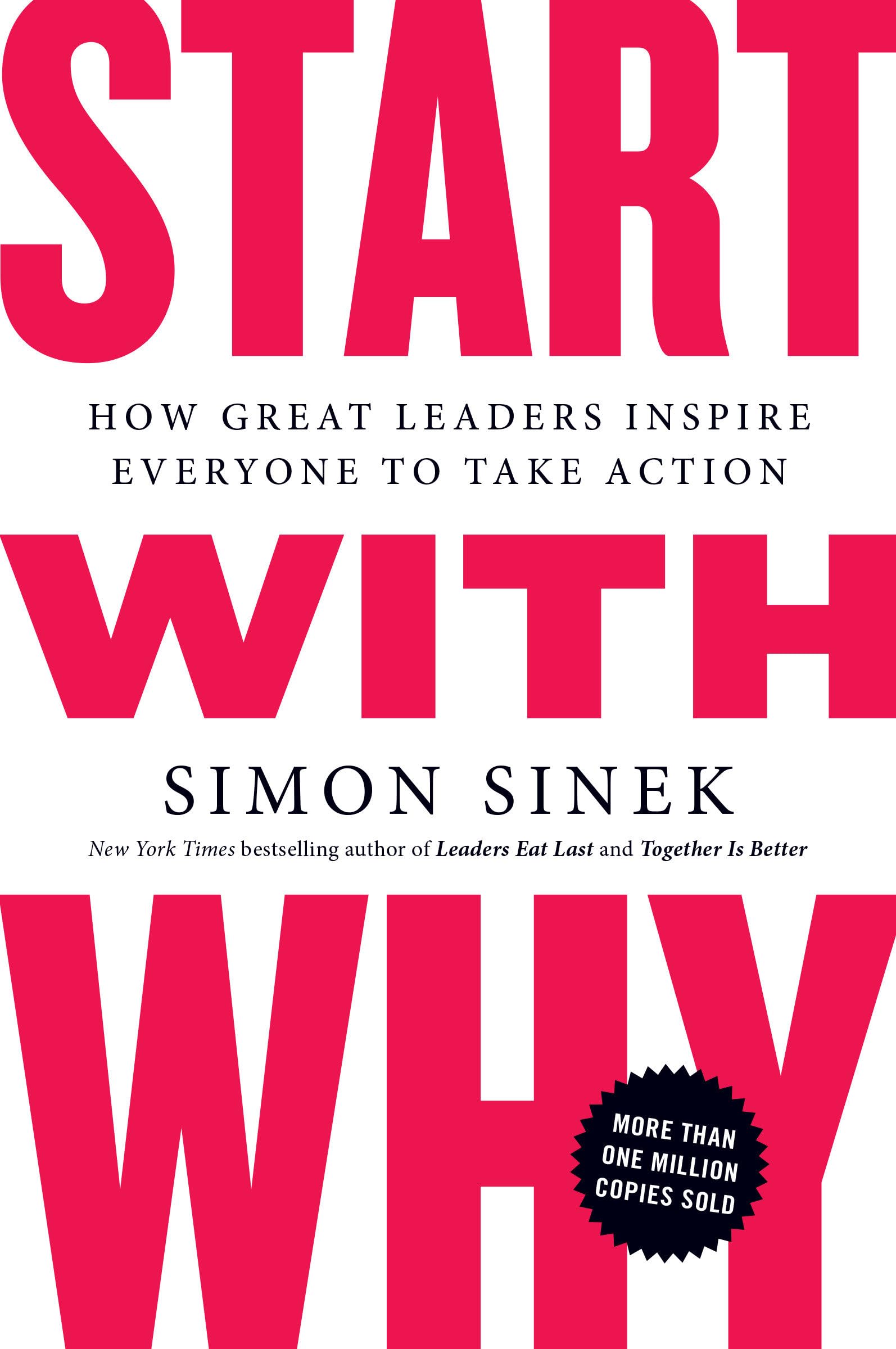
Simon Sinek asks why some leaders and organizations inspire loyalty that goes beyond price, features, or formal authority. His answer is the Golden Circle, a model with three layers: why, how, and what. Every organization can describe what it sells, many can explain how they are different, but fewer can clearly state why they exist beyond making money. Inspiring leaders, Sinek argues, communicate from the inside of the circle outward.
The why is not a decorative slogan. It is a belief, purpose, or contribution that guides decisions. Profit remains necessary, but it is a result rather than the reason the organization matters. A useful why helps leaders decide which opportunities fit, which partnerships should be rejected, and what kind of employee or customer they hope to attract. A vague claim such as “be the best” does not qualify unless it changes real choices.
Sinek contrasts inspiration with manipulation. Discounts, fear, pressure, and promotions can trigger a transaction, but their effect is short-lived and often requires another incentive. Inspiration creates a more durable connection because people recognize a belief they share. A customer may use a product not only for its function but also to express values and identity. Employees likewise want to understand the meaning of their effort, not only the task and salary.
A clear purpose still needs the how and what. Values become credible only when they produce methods, behavior, and a consistent experience. A company that celebrates simplicity while creating a frustrating service weakens its own message. The Golden Circle is therefore not permission to neglect execution. Purpose may earn attention, but product quality, operational discipline, and trust determine whether the relationship survives.
The book also separates leadership from rank. A title can produce compliance, but it cannot guarantee commitment. Leaders create conditions in which people choose to participate. As an organization grows, the founder cannot carry the message alone; people are needed who can translate the vision into systems and everyday decisions. Without that partnership, the why becomes a story repeated in presentations but contradicted by the organization’s behavior.
For an individual, discovering a why means looking for patterns in meaningful experiences rather than inventing a marketing sentence. Which projects created energy? What contribution appears in proud moments? The answer does not decide every career move, but it can serve as a filter. The lasting lesson is not merely “write a perfect purpose statement.” It is to align belief, method, and the actual experience received by other people.
"Start with why PDF": If it appears on the site in a way that violates copyright, please contact us immediately via the contact form or email to have it removed immediately out of respect for intellectual property rights. Call us: contact@market-books.com
Share the book with your friends


Start with why PDF
Start with why PDF مترجم
Start with why PDF in french
Start with why PDF en france
Start with why PDF en français
Start with why PDF بالفرنسية
Start with why PDF in English
Start with why PDF en anglais
Start with why PDF بالإنجليزية
Start with why PDF in Arabic
Start with why PDF en arabe
Start with why PDF بالعربية
Start with why PDF in Arabic
Start with why PDF in English
Start with why PDF in french
Start with why PDF in french For free
Start with why PDF en france For free
Start with why PDF en français For free
Start with why PDF بالفرنسية For free
Start with why PDF in English For free
Start with why PDF en anglais For free
Start with why PDF بالإنجليزية For free
Start with why PDF in Arabic For free
Start with why PDF en arabe For free
Start with why PDF بالعربية For free
Start with why PDF in Arabic For free
Start with why PDF in English For free
Start with why PDF in french For free
Books in the same category


Download a book Secrets of the Millionaire Mind pdf

Download a book Pharaohs thieves of civilization pdf




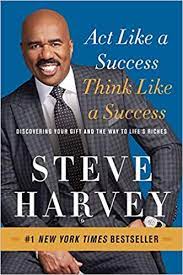
Download a book Act Like a Success Think Like a Success pdf



Download a book The Power of Your Subconscious pdf

Download a book Staying Strong: 365 Days a Year pdf


Download a book The Subtle Art of Not Giving a F*ck pdf






Download a book How to Sell Anything to Anybody pdf






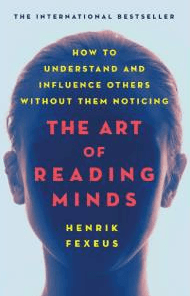


Download the book Full of Emptiness in PDF format

Download the book I Loved and Tomorrow in PDF format

Download the book Know Your Other Face in PDF format


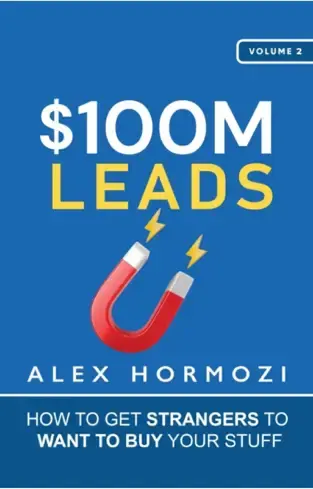
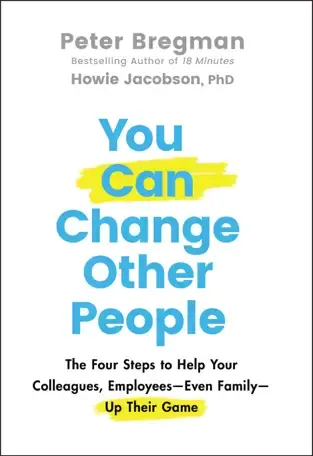
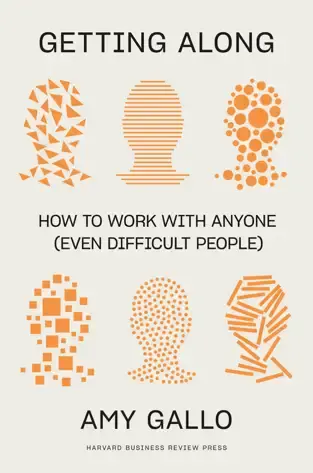








Never Again Will I Be Defeated PDF – Abdullah Mohammed Al-Turki