Summary The Figure of Women in Islam: Between the Self and the Image pdf
Quotes from The Figure of Women in Islam: Between the Self and the Image pdf
review The Figure of Women in Islam: Between the Self and the Image pdf
Book summary: The Figure of Women in Islam: Between the Self and the Image
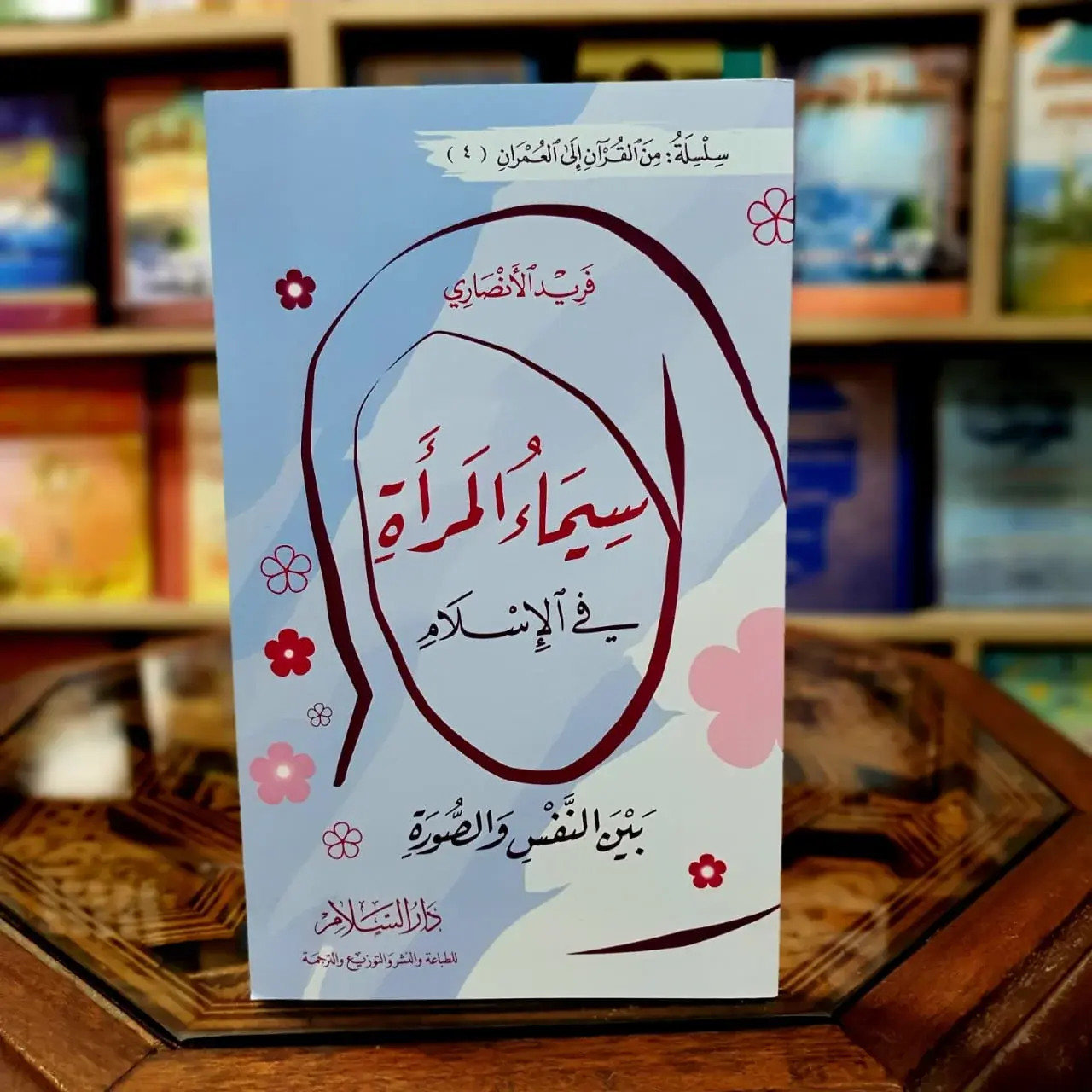
In Sima al-Mar’a fi al-Islam, Farid Al-Ansari offers a religious essay on what womanhood signifies within his Islamic framework. Sima means more than appearance: it is an outward sign pointing toward inward meaning. The book is therefore organized between the self, understood through shared humanity, responsibility, and faith, and the image, understood as bodily presence, clothing, and social communication. The distinction attempts to resist reducing a woman to body or ornament. It begins from the idea of one human origin and a religious responsibility shared by women and men.
In discussing the inner self, Al-Ansari emphasizes woman as an addressee of revelation and a participant in family and society, not merely an object of another person’s gaze. Education, worship, modesty, and character are linked in the formation of personality. The outward-image discussion treats dress and hijab as a symbolic language of belonging, modesty, and devotion. Public presentation of the body is not isolated, in this account, from advertising, markets, cultural imitation, and the social rules through which an image acquires meaning.
The work emerged in Morocco in the early 2000s amid satellite television, expanding advertising, and intense argument about hijab. This background helps explain its civilizational alarm. It also makes it necessary to distinguish normative religious reasoning from empirical social research. The essay interprets texts and proposes ideals; it does not measure every woman’s experience. Its conclusions should therefore be discussed alongside social context, legal diversity, and transformations in education, work, media, and public participation.
A balanced reading can value the refusal to reduce women to appearance while asking whether too much responsibility for public morality is placed on women. Men, corporations, media, and institutions must enter the same ethical analysis. Safety, knowledge, work, speech, and responsible agency also belong to dignity. These questions expand rather than erase the book’s moral concern. Its strongest feature is the connection between meaning and visible life; its weakness is that broad civilizational language can hide diverse female experience. Contextual and comparative reading is therefore essential.
A clearer view of “The Figure of Women in Islam: Between the Self and the Image” emerges when the summary is organized around four connected themes: «A sign links self and image», «Shared origin and responsibility», «Dress communicates», «Context matters». In theme 1, Appearance communicates but never exhausts human dignity. In theme 2, Women and men share humanity and moral accountability. In theme 3, The author reads hijab as a religious, ethical, and identity-bearing sign. In theme 4, A normative essay should be discussed with current research and women’s experiences. These themes are not isolated rules. They are lenses for understanding the argument, the characters’ movement, and the consequences the work asks readers to consider. While reading, it helps to record the central claim in each part, the example supporting it, and the question still unanswered, then compare those notes with personal experience or an independent source whenever historical or scientific facts are involved. This prevents an attractive phrase from becoming a universal truth and separates what the author actually states from what the reader infers. With a practical nonfiction book, one idea can be tested for a week, with results and obstacles recorded before the method is adjusted; trying everything at once makes evaluation impossible. With fiction, the equivalent test is to track changes in character, the narrator’s reliability, and whether the ending answers the tensions the plot created. A final three-sentence note—main insight, strongest objection, and one action or question worth pursuing—makes the reading easier to retain without exaggerating the book’s promises or dismissing its value. The book then becomes the beginning of a revisable conversation shaped by context, goals, and edition, not a closed recipe or a collection of quotations.
Book and author information
Author: Farid Al-Ansari (1960–2009), Moroccan scholar of Islamic legal theory and writer.
Genre: Islamic thought on women, dress, identity, and ethics.
Original edition: Alwan Maghribia, first edition, 2003, 96 pages.
Dar Al-Salam edition matching the cover: approximately 2009, 149 pages
Key ideas
A sign links self and image
Appearance communicates but never exhausts human dignity.
Shared origin and responsibility
Women and men share humanity and moral accountability.
Dress communicates
The author reads hijab as a religious, ethical, and identity-bearing sign.
Context matters
A normative essay should be discussed with current research and women’s experiences.
Review and rating
Editorial rating: 3.7 / 5.
A clear central concept and a forceful rejection of reducing women to marketable bodies.
Broad claims need balance through male and institutional responsibility and the diversity of women’s lives.
Frequently asked questions
1. What does sima mean?
An outward sign connected to inward, ethical, and social meaning.
2. Is this a complete legal manual?
No. It is a religious-educational essay, not an encyclopedia of legal disagreement.
3. Is it only about hijab?
No. It also considers identity, education, inward character, and social perception.
4. How should it be read today?
In its 2003 context and alongside current research and women’s voices.
5. Is there an official English edition?
No official French or English translated edition was verified.
"The Figure of Women in Islam: Between the Self and the Image pdf": If it appears on the site in a way that violates copyright, please contact us immediately via the contact form or email to have it removed immediately out of respect for intellectual property rights. Call us: contact@market-books.com
Share the book with your friends


The Figure of Women in Islam: Between the Self and the Image pdf
The Figure of Women in Islam: Between the Self and the Image pdf مترجم
The Figure of Women in Islam: Between the Self and the Image pdf in french
The Figure of Women in Islam: Between the Self and the Image pdf en france
The Figure of Women in Islam: Between the Self and the Image pdf en français
The Figure of Women in Islam: Between the Self and the Image pdf بالفرنسية
The Figure of Women in Islam: Between the Self and the Image pdf in English
The Figure of Women in Islam: Between the Self and the Image pdf en anglais
The Figure of Women in Islam: Between the Self and the Image pdf بالإنجليزية
The Figure of Women in Islam: Between the Self and the Image pdf in Arabic
The Figure of Women in Islam: Between the Self and the Image pdf en arabe
The Figure of Women in Islam: Between the Self and the Image pdf بالعربية
The Figure of Women in Islam: Between the Self and the Image pdf in Arabic
The Figure of Women in Islam: Between the Self and the Image pdf in English
The Figure of Women in Islam: Between the Self and the Image pdf in french
The Figure of Women in Islam: Between the Self and the Image pdf in french For free
The Figure of Women in Islam: Between the Self and the Image pdf en france For free
The Figure of Women in Islam: Between the Self and the Image pdf en français For free
The Figure of Women in Islam: Between the Self and the Image pdf بالفرنسية For free
The Figure of Women in Islam: Between the Self and the Image pdf in English For free
The Figure of Women in Islam: Between the Self and the Image pdf en anglais For free
The Figure of Women in Islam: Between the Self and the Image pdf بالإنجليزية For free
The Figure of Women in Islam: Between the Self and the Image pdf in Arabic For free
The Figure of Women in Islam: Between the Self and the Image pdf en arabe For free
The Figure of Women in Islam: Between the Self and the Image pdf بالعربية For free
The Figure of Women in Islam: Between the Self and the Image pdf in Arabic For free
The Figure of Women in Islam: Between the Self and the Image pdf in English For free
The Figure of Women in Islam: Between the Self and the Image pdf in french For free
Books in the same category

Download a book Didn't we explain your chest to you pdf


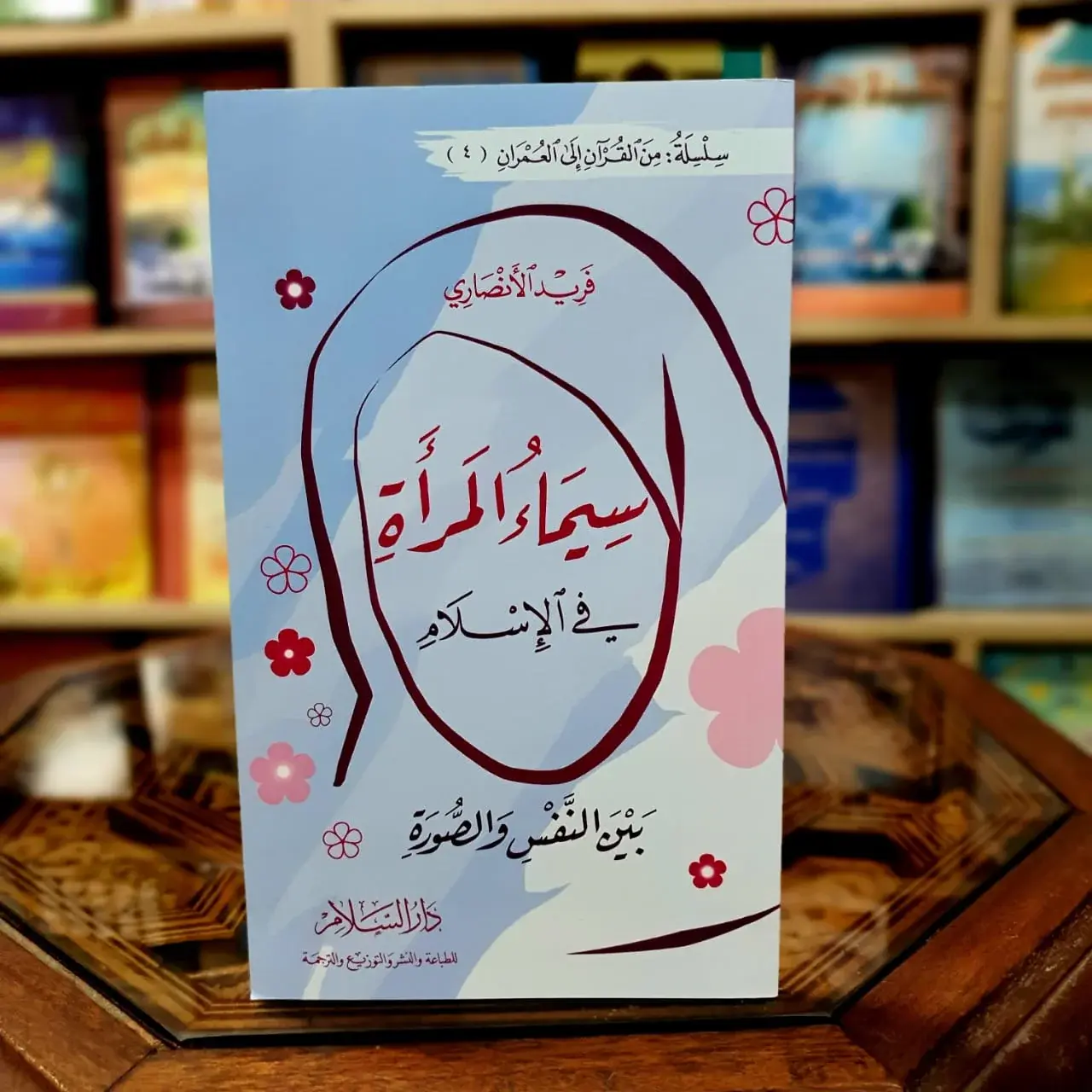
The Figure of Women in Islam: Between the Self and the Image pdf