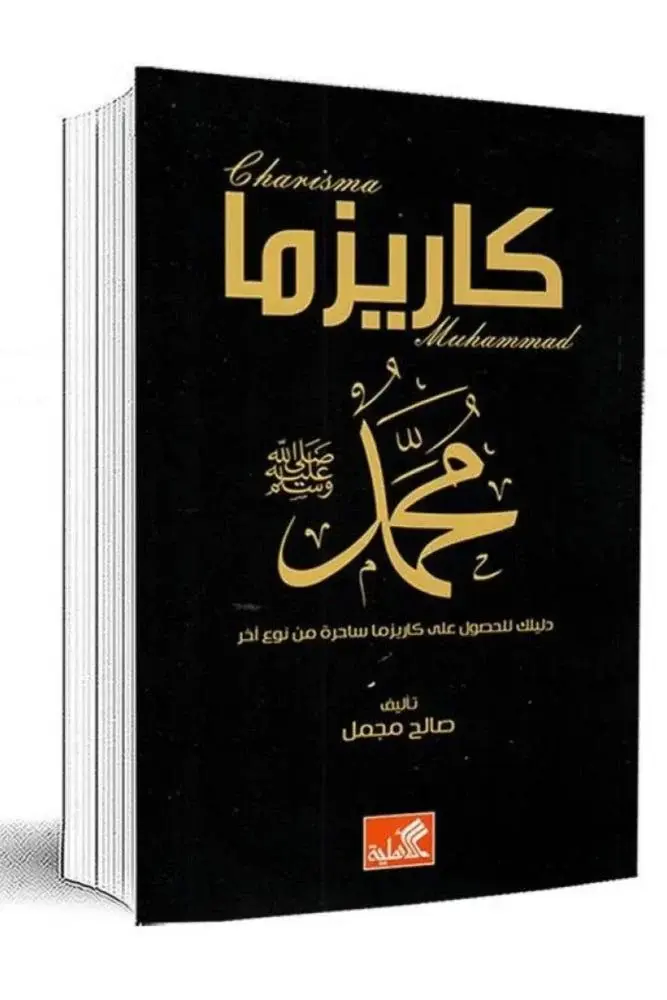
Summary The Charisma of Muhammad by Saleh Mujammal pdf
Quotes from The Charisma of Muhammad by Saleh Mujammal pdf
review The Charisma of Muhammad by Saleh Mujammal pdf
Book summary: The Charisma of Muhammad ﷺ
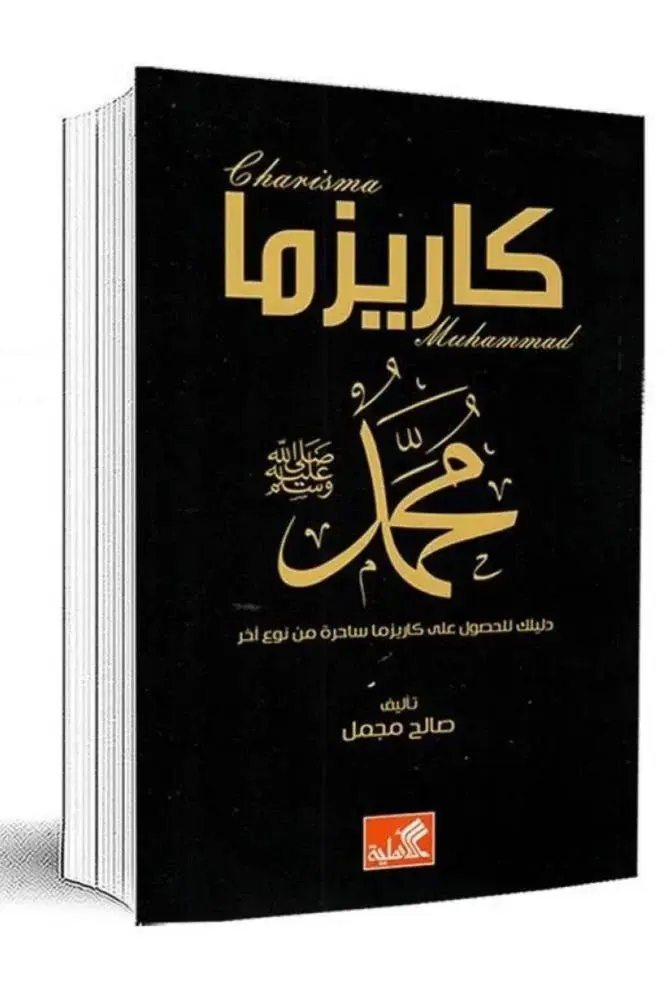
Saleh Mujammal reads the Prophetic biography through “charisma” understood as presence, influence, and trust rather than appearance or a persuasion trick. The book is neither a complete chronological Sīrah nor a specialist hadith study. It selects qualities and situations the author sees as models of humane leadership. The influence of Prophet Muhammad ﷺ is presented as the combination of clarity, compassion, steadiness, and genuine attention to people, not mystery or performance. The reader is invited to reflect on these features in personal relationships rather than imitate a set of theatrical gestures.
The first foundation is sincerity joined to consistency. An influential person does not need to maintain two contradictory identities; when speech and behavior align, others need less caution. Listening and full presence are equally important: speaking in a way the other person understands, giving space, and recognizing differences in temperament and position. This does not require agreement with everything. It combines respect for the person with clarity of principle. Charisma becomes accumulated trust rather than a body-language routine memorized in front of a mirror.
Compassion, gentleness, and humility are treated as strengths. A leader who recognizes others’ humanity, shares burdens, and makes hardship lighter can build commitment unlike fear. Gentleness does not equal indecision; situations still require judgment, justice, and boundaries. The author selects examples involving family, companions, opponents, and vulnerable people to illustrate varied communication. Readers should place these examples within reliable Sīrah sources because an educational book necessarily selects scenes and cannot cover every narration, chain, or historical context.
The book also considers how meaning is communicated: brevity when useful, stories, examples, timing, awareness of the listener, and questions that activate thought. Influence is not control; its ethical purpose is understanding and responsibility. Presence also grows from humble confidence—knowing one’s message and not depending continuously on public admiration, while remaining willing to correct mistakes and learn. These qualities can benefit family, education, and work when they are used ethically rather than as techniques for exploiting people.
The contemporary entry point and accessible language may encourage self-development readers to approach the Sīrah. Yet applying a broad modern category like charisma can simplify a person and mission far greater than a leadership framework. The book is best treated as a reflective introduction, not a sole authority. Readers should verify reports, distinguish the author’s analysis from original sources, and apply the defensible values: sincerity and consistency, listening and mercy, clarity and justice, and communication that protects the dignity of the other person.
A clearer view of “The Charisma of Muhammad ﷺ” emerges when the summary is organized around four connected themes: «Consistency builds trust», «Gentleness can include boundaries», «Communication respects the listener», «Influence is an ethical responsibility». In theme 1, Alignment between words and behavior is stronger than image management. In theme 2, Mercy, decision, and justice do not have to conflict. In theme 3, Language, timing, examples, and questions should fit the person. In theme 4, Real presence protects dignity rather than turning people into instruments. These themes are not isolated rules. They are lenses for understanding the argument, the characters’ movement, and the consequences the work asks readers to consider. While reading, it helps to record the central claim in each part, the example supporting it, and the question still unanswered, then compare those notes with personal experience or an independent source whenever historical or scientific facts are involved. This prevents an attractive phrase from becoming a universal truth and separates what the author actually states from what the reader infers. With a practical nonfiction book, one idea can be tested for a week, with results and obstacles recorded before the method is adjusted; trying everything at once makes evaluation impossible. With fiction, the equivalent test is to track changes in character, the narrator’s reliability, and whether the ending answers the tensions the plot created. A final three-sentence note—main insight, strongest objection, and one action or question worth pursuing—makes the reading easier to retain without exaggerating the book’s promises or dismissing its value. The book then becomes the beginning of a revisable conversation shaped by context, goals, and edition, not a closed recipe or a collection of quotations.
Book and author information
Author: Saleh Mujammal.
Full Arabic title: كاريزما محمد ﷺ: دليلك للحصول على كاريزما ساحرة من نوع آخر.
Publication: Al-Ahlia Publishing and Distribution, 2025.
Length: 224 pages
Key ideas
Consistency builds trust
Alignment between words and behavior is stronger than image management.
Gentleness can include boundaries
Mercy, decision, and justice do not have to conflict.
Communication respects the listener
Language, timing, examples, and questions should fit the person.
Influence is an ethical responsibility
Real presence protects dignity rather than turning people into instruments.
Review and rating
Editorial rating: 4.0 / 5.
A respectful, accessible entry into leadership and communication qualities in the Sīrah, written in a contemporary voice.
It is not a scholarly biography or hadith-verification work. The charisma lens can simplify context and should be supplemented with reliable sources.
Frequently asked questions
1. Is this a complete Prophetic biography?
No. It selects qualities and situations related to presence and influence.
2. Does charisma mean appearance?
No. The emphasis is sincerity, compassion, listening, consistency, and clarity.
3. Is it a hadith reference?
Not by itself; reports should be checked in recognized scholarly sources.
4. Who is it for?
Readers of Sīrah, education, and leadership seeking a modern introduction.
5. Is there an official English edition?
No verified official translation was found; this page describes the Arabic book in English.
"The Charisma of Muhammad by Saleh Mujammal pdf": If it appears on the site in a way that violates copyright, please contact us immediately via the contact form or email to have it removed immediately out of respect for intellectual property rights. Call us: contact@market-books.com
Share the book with your friends


The Charisma of Muhammad by Saleh Mujammal pdf
The Charisma of Muhammad by Saleh Mujammal pdf مترجم
The Charisma of Muhammad by Saleh Mujammal pdf in french
The Charisma of Muhammad by Saleh Mujammal pdf en france
The Charisma of Muhammad by Saleh Mujammal pdf en français
The Charisma of Muhammad by Saleh Mujammal pdf بالفرنسية
The Charisma of Muhammad by Saleh Mujammal pdf in English
The Charisma of Muhammad by Saleh Mujammal pdf en anglais
The Charisma of Muhammad by Saleh Mujammal pdf بالإنجليزية
The Charisma of Muhammad by Saleh Mujammal pdf in Arabic
The Charisma of Muhammad by Saleh Mujammal pdf en arabe
The Charisma of Muhammad by Saleh Mujammal pdf بالعربية
The Charisma of Muhammad by Saleh Mujammal pdf in Arabic
The Charisma of Muhammad by Saleh Mujammal pdf in English
The Charisma of Muhammad by Saleh Mujammal pdf in french
The Charisma of Muhammad by Saleh Mujammal pdf in french For free
The Charisma of Muhammad by Saleh Mujammal pdf en france For free
The Charisma of Muhammad by Saleh Mujammal pdf en français For free
The Charisma of Muhammad by Saleh Mujammal pdf بالفرنسية For free
The Charisma of Muhammad by Saleh Mujammal pdf in English For free
The Charisma of Muhammad by Saleh Mujammal pdf en anglais For free
The Charisma of Muhammad by Saleh Mujammal pdf بالإنجليزية For free
The Charisma of Muhammad by Saleh Mujammal pdf in Arabic For free
The Charisma of Muhammad by Saleh Mujammal pdf en arabe For free
The Charisma of Muhammad by Saleh Mujammal pdf بالعربية For free
The Charisma of Muhammad by Saleh Mujammal pdf in Arabic For free
The Charisma of Muhammad by Saleh Mujammal pdf in English For free
The Charisma of Muhammad by Saleh Mujammal pdf in french For free
Books in the same category
Download a book Didn't we explain your chest to you pdf


The Figure of Women in Islam: Between the Self and the Image pdf