Summary The Covenant: Paths to Knowing God pdf
Quotes from The Covenant: Paths to Knowing God pdf
review The Covenant: Paths to Knowing God pdf
Book summary: The Covenant: Paths to Knowing God
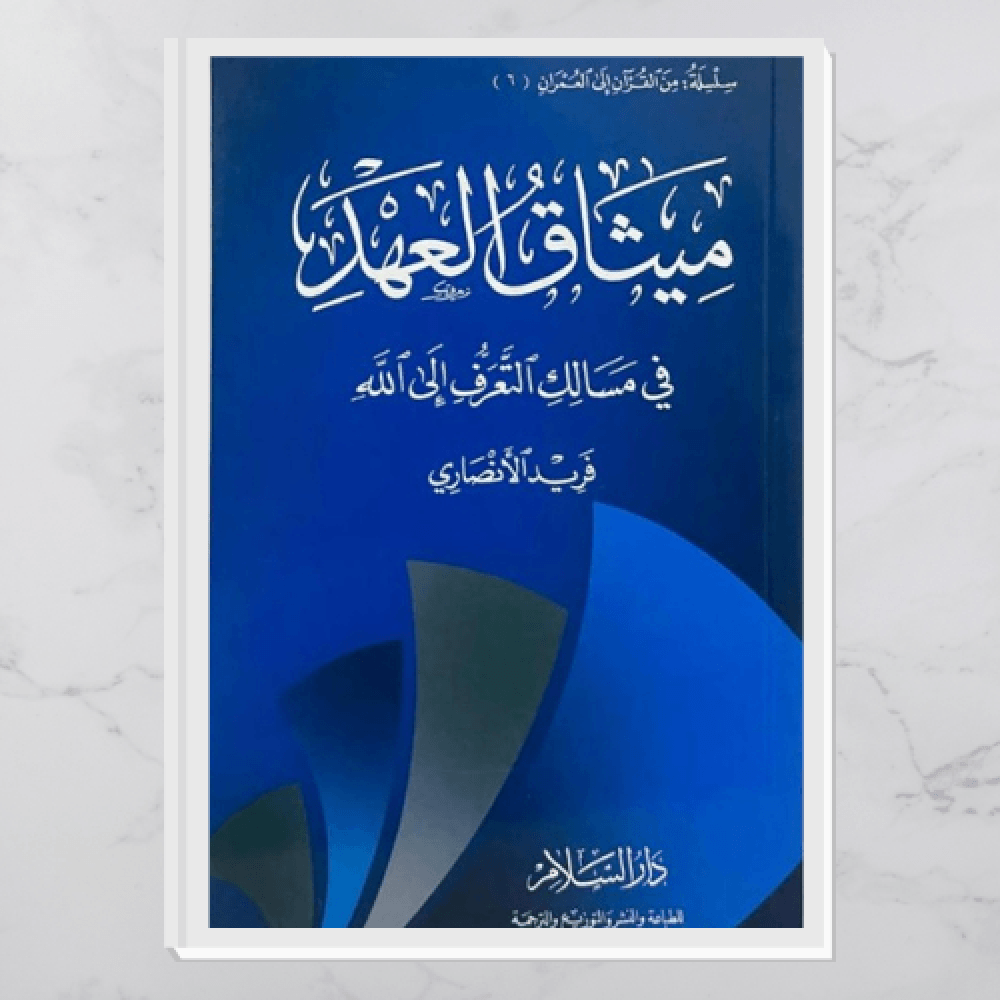
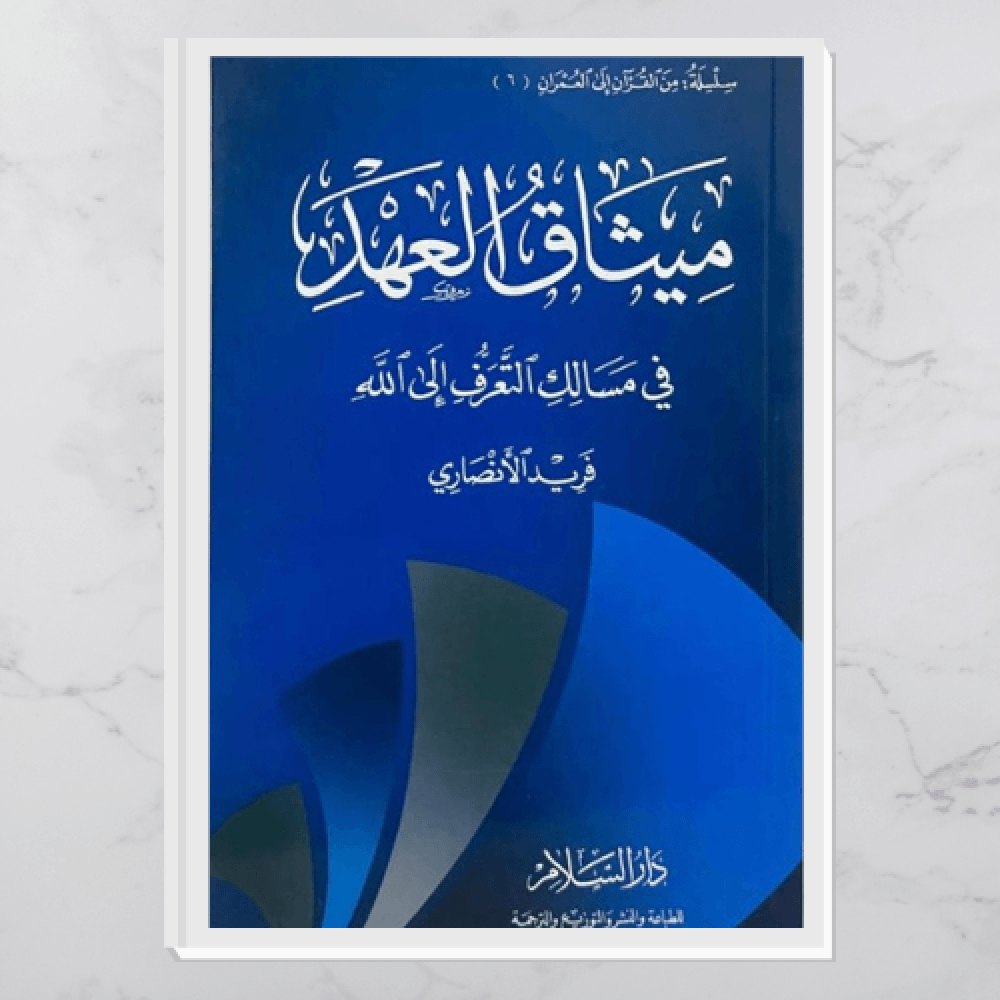
Mithaq al-Ahd is a short formation guide that addresses the reader directly and invites a journey toward knowing God. Its covenant is not a new legal contract or a religious vow tied to a special formula. It is a moral and spiritual decision to renew relationship with God through remembrance, the Quran, repentance, and good action. Farid Al-Ansari begins with the confused person burdened by distraction and habit. The first requirement is clear sight: honestly locating oneself, naming what binds one to heedlessness, and choosing a commitment that can be lived rather than a temporary burst of enthusiasm.
Knowing God is tied to receiving verses and learning prophetic manners. Knowledge is not merely accumulated information about doctrine. It moves from hearing to inward condition and from condition to conduct. Remembrance awakens the heart, reflection discovers a message addressed to the reader, good companionship protects resolve, and action tests intention. The covenant therefore joins personal goodness with reform and service. Nearness to God is not measured only by solitude, but by the honesty, mercy, and benefit it produces in the world.
Obstacles appear as cords binding a person to familiar patterns: delaying repentance, scattered screen attention, company that weakens purpose, recurring wrongdoing without a plan, or an act of worship begun intensely and quickly abandoned. The answer is not an exhausting program. It is a set of clear steps: a realistic portion of Quran and remembrance, time for self-review, closing one specific path toward harm, and maintaining one good action. Continuity matters more than volume, since a covenant that ignores energy and responsibility soon turns into evidence of failure.
Al-Ansari’s intimate, exhortative style makes readers feel personally addressed. That strength moves the will, although some statements may sound absolute to readers seeking systematic analysis or detailed legal disagreement. The covenant must not become obsessive self-surveillance. Repentance combines fear and hope; relapse calls for return and redesign rather than a final verdict on identity. The most useful reading ends with one small written commitment, a weekly measure, and support from a trusted person. This is more faithful to the book’s purpose than a dramatic resolution that disappears after a few days.
A clearer view of “The Covenant: Paths to Knowing God” emerges when the summary is organized around four connected themes: «The covenant is practical», «Knowledge becomes conduct», «Name one obstacle», «Small and lasting». In theme 1, It is moral and spiritual renewal, not a new religious contract. In theme 2, Remembrance, reflection, companionship, and action form one path. In theme 3, Change begins with a specific habit or environment. In theme 4, A modest continuous commitment is better than intensity that collapses. These themes are not isolated rules. They are lenses for understanding the argument, the characters’ movement, and the consequences the work asks readers to consider. While reading, it helps to record the central claim in each part, the example supporting it, and the question still unanswered, then compare those notes with personal experience or an independent source whenever historical or scientific facts are involved. This prevents an attractive phrase from becoming a universal truth and separates what the author actually states from what the reader infers. With a practical nonfiction book, one idea can be tested for a week, with results and obstacles recorded before the method is adjusted; trying everything at once makes evaluation impossible. With fiction, the equivalent test is to track changes in character, the narrator’s reliability, and whether the ending answers the tensions the plot created. A final three-sentence note—main insight, strongest objection, and one action or question worth pursuing—makes the reading easier to retain without exaggerating the book’s promises or dismissing its value. The book then becomes the beginning of a revisable conversation shaped by context, goals, and edition, not a closed recipe or a collection of quotations.
Book and author information
Author: Farid Al-Ansari (1960–2009), Moroccan scholar of Islamic legal theory and Quranic formation.
Genre: spiritual and ethical formation in the “From Quran to Civilization” series.
Reference edition: Dar Al-Salam, eighth edition, 2024.
Length: 133 pages
Key ideas
The covenant is practical
It is moral and spiritual renewal, not a new religious contract.
Knowledge becomes conduct
Remembrance, reflection, companionship, and action form one path.
Name one obstacle
Change begins with a specific habit or environment.
Small and lasting
A modest continuous commitment is better than intensity that collapses.
Review and rating
Editorial rating: 4.3 / 5.
Direct, motivating prose that turns spiritual aspiration into daily commitment.
Its exhortative tone needs balance so review does not become harshness or obsession; it is not a legal-disagreement manual.
Frequently asked questions
1. What does covenant mean here?
A personal renewal through remembrance, reflection, repentance, and action—not a new law.
2. Where should I begin?
One small practice, one obstacle to close, and one weekly review.
3. What if I stop?
Return promptly, identify the cause, reduce the plan, and adjust the environment.
4. Does the book promote isolation?
No. It joins personal reform to responsibility and benefit in society.
5. Is this an official English translation?
No verified official French or English edition was found.
" The Covenant: Paths to Knowing God pdf": If it appears on the site in a way that violates copyright, please contact us immediately via the contact form or email to have it removed immediately out of respect for intellectual property rights. Call us: contact@market-books.com
Share the book with your friends


The Covenant: Paths to Knowing God pdf
The Covenant: Paths to Knowing God pdf مترجم
The Covenant: Paths to Knowing God pdf in french
The Covenant: Paths to Knowing God pdf en france
The Covenant: Paths to Knowing God pdf en français
The Covenant: Paths to Knowing God pdf بالفرنسية
The Covenant: Paths to Knowing God pdf in English
The Covenant: Paths to Knowing God pdf en anglais
The Covenant: Paths to Knowing God pdf بالإنجليزية
The Covenant: Paths to Knowing God pdf in Arabic
The Covenant: Paths to Knowing God pdf en arabe
The Covenant: Paths to Knowing God pdf بالعربية
The Covenant: Paths to Knowing God pdf in Arabic
The Covenant: Paths to Knowing God pdf in English
The Covenant: Paths to Knowing God pdf in french
The Covenant: Paths to Knowing God pdf in french For free
The Covenant: Paths to Knowing God pdf en france For free
The Covenant: Paths to Knowing God pdf en français For free
The Covenant: Paths to Knowing God pdf بالفرنسية For free
The Covenant: Paths to Knowing God pdf in English For free
The Covenant: Paths to Knowing God pdf en anglais For free
The Covenant: Paths to Knowing God pdf بالإنجليزية For free
The Covenant: Paths to Knowing God pdf in Arabic For free
The Covenant: Paths to Knowing God pdf en arabe For free
The Covenant: Paths to Knowing God pdf بالعربية For free
The Covenant: Paths to Knowing God pdf in Arabic For free
The Covenant: Paths to Knowing God pdf in English For free
The Covenant: Paths to Knowing God pdf in french For free
Books in the same category
Download a book Didn't we explain your chest to you pdf


The Figure of Women in Islam: Between the Self and the Image pdf