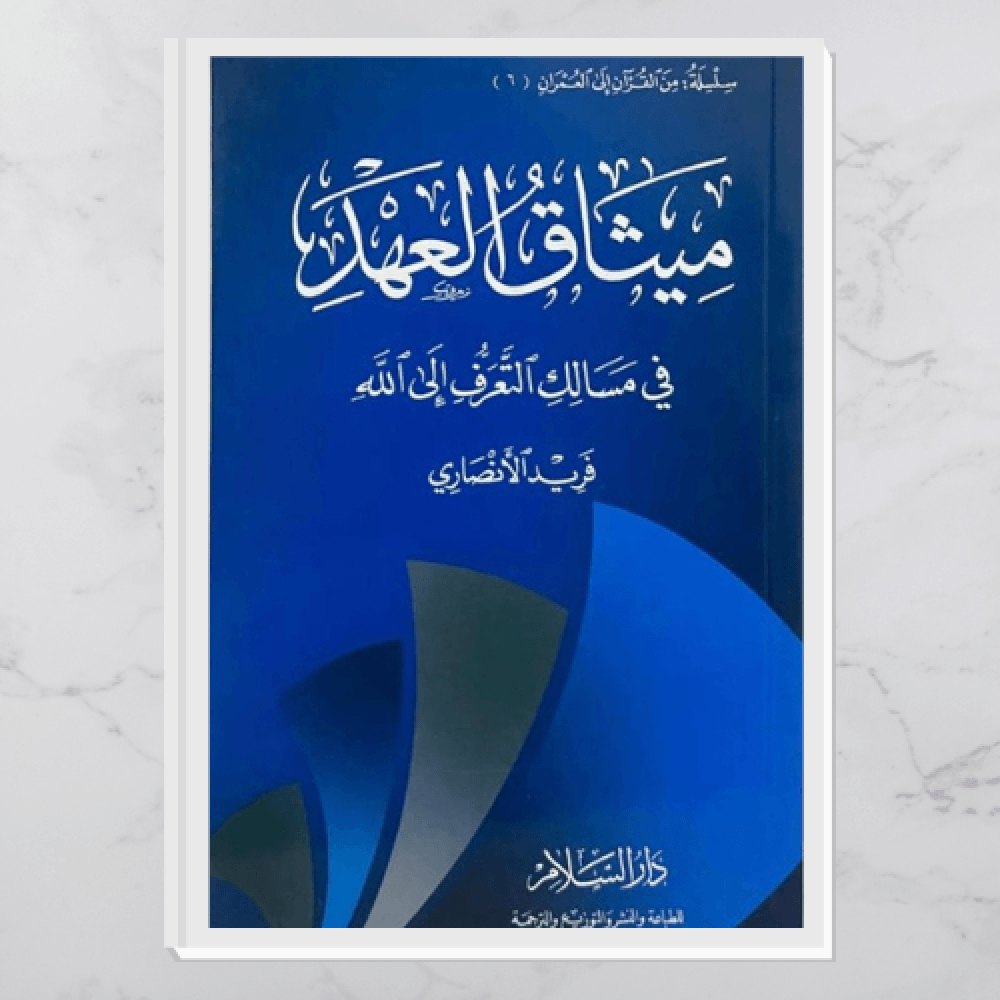
Summary Lanterns of Prayer by Farid Al-Ansari pdf
Quotes from Lanterns of Prayer by Farid Al-Ansari pdf
review Lanterns of Prayer by Farid Al-Ansari pdf
Book summary: Lanterns of Prayer: Reflections in the Dwellings of Beauty

Qanadil al-Salat seeks to move prayer from habit into encounter. Farid Al-Ansari does not primarily write a detailed rulebook. He follows the spiritual meaning of movements and words, beginning with the call to prayer and passing through ablution, opening takbir, the Fatiha, bowing, prostration, sitting, and final greetings. The five daily prayers become recurring dawns of light. They are not minor interruptions at the edge of the day, but a rhythm that can reset the heart before speed, distraction, and appetite consume its attention.
The book uses a literary language of light, water, travel, and sanctuary. Ablution is outward washing and inward awakening. Takbir declares that whatever occupies the heart is smaller than God. The Fatiha becomes renewed dialogue, bowing a station of reverence, and prostration a nearness reached through humility. These images do not replace legal meanings; they make those meanings felt. Quranic verses and prophetic reports support an approach in which sound outward form and inward formation are meant to develop together.
Its major shift is from performing prayer to establishing prayer. Performance can end when movements are completed. Establishment extends worship into truthfulness, compassion, restraint, and respect for time. Attentiveness is not treated as an emotion guaranteed in every unit, but as ongoing training: preparation before opening, understanding what is recited, resisting wandering, and calmly returning when the mind drifts. Repetition is not empty when each prayer is approached as another opportunity to examine the heart and redirect a life.
A practical use is to read one short section before prayer and carry one meaning—perhaps takbir or prostration—without forcing an artificial feeling. The book should not replace learning jurisprudence from reliable sources. It is a work of spiritual taste and formation, not a comprehensive handbook of conditions and disagreements. Its strength is language that makes a familiar act newly visible. Its limitation is that imagery can become dense for readers wanting simple steps. Yet it succeeds in asking the lasting question: what changes when a person enters prayer as light, not only as a heavy duty?
A clearer view of “Lanterns of Prayer: Reflections in the Dwellings of Beauty” emerges when the summary is organized around four connected themes: «Prayer is recurring encounter», «Movement carries meaning», «Attention is trained», «Prayer continues after salutation». In theme 1, Five daily moments can reorder both schedule and heart. In theme 2, Takbir, bowing, and prostration teach greatness, humility, and nearness. In theme 3, Distraction calls for patient return rather than despair. In theme 4, Established prayer affects ethics, time, and relationships. These themes are not isolated rules. They are lenses for understanding the argument, the characters’ movement, and the consequences the work asks readers to consider. While reading, it helps to record the central claim in each part, the example supporting it, and the question still unanswered, then compare those notes with personal experience or an independent source whenever historical or scientific facts are involved. This prevents an attractive phrase from becoming a universal truth and separates what the author actually states from what the reader infers. With a practical nonfiction book, one idea can be tested for a week, with results and obstacles recorded before the method is adjusted; trying everything at once makes evaluation impossible. With fiction, the equivalent test is to track changes in character, the narrator’s reliability, and whether the ending answers the tensions the plot created. A final three-sentence note—main insight, strongest objection, and one action or question worth pursuing—makes the reading easier to retain without exaggerating the book’s promises or dismissing its value. The book then becomes the beginning of a revisable conversation shaped by context, goals, and edition, not a closed recipe or a collection of quotations.
Book and author information
Author: Farid Al-Ansari (1960–2009), Moroccan Islamic scholar and literary writer.
Genre: spiritual reflections on the meanings and beauty of prayer, not a complete legal manual.
First published in 2009; the pictured Dar Al-Salam design is listed as a thirteenth edition from 2023.
Length: 168 pages in the referenced edition; some printings list 166 pages.
Key ideas
Prayer is recurring encounter
Five daily moments can reorder both schedule and heart.
Movement carries meaning
Takbir, bowing, and prostration teach greatness, humility, and nearness.
Attention is trained
Distraction calls for patient return rather than despair.
Prayer continues after salutation
Established prayer affects ethics, time, and relationships.
Review and rating
Editorial rating: 4.4 / 5.
One of Al-Ansari’s most beautiful works, refreshing the reader’s view of familiar worship.
Poetic density may slow some readers, and the book cannot substitute for reliable legal instruction.
Frequently asked questions
1. Does it explain every prayer rule?
No. Its focus is meaning, attention, and spiritual purpose.
2. Is it suitable for beginners?
Yes, when paired with basic legal instruction from a reliable source.
3. How can it be used?
Read one passage and carry one meaning into the next prayer.
4. What does it say about focus?
Focus grows through preparation, understanding, and returning after distraction.
5. Is this an official English translation?
No. The English title and summary are original descriptive content.
"Lanterns of Prayer by Farid Al-Ansari pdf": If it appears on the site in a way that violates copyright, please contact us immediately via the contact form or email to have it removed immediately out of respect for intellectual property rights. Call us: contact@market-books.com
Share the book with your friends


Lanterns of Prayer by Farid Al-Ansari pdf
Lanterns of Prayer by Farid Al-Ansari pdf مترجم
Lanterns of Prayer by Farid Al-Ansari pdf in french
Lanterns of Prayer by Farid Al-Ansari pdf en france
Lanterns of Prayer by Farid Al-Ansari pdf en français
Lanterns of Prayer by Farid Al-Ansari pdf بالفرنسية
Lanterns of Prayer by Farid Al-Ansari pdf in English
Lanterns of Prayer by Farid Al-Ansari pdf en anglais
Lanterns of Prayer by Farid Al-Ansari pdf بالإنجليزية
Lanterns of Prayer by Farid Al-Ansari pdf in Arabic
Lanterns of Prayer by Farid Al-Ansari pdf en arabe
Lanterns of Prayer by Farid Al-Ansari pdf بالعربية
Lanterns of Prayer by Farid Al-Ansari pdf in Arabic
Lanterns of Prayer by Farid Al-Ansari pdf in English
Lanterns of Prayer by Farid Al-Ansari pdf in french
Lanterns of Prayer by Farid Al-Ansari pdf in french For free
Lanterns of Prayer by Farid Al-Ansari pdf en france For free
Lanterns of Prayer by Farid Al-Ansari pdf en français For free
Lanterns of Prayer by Farid Al-Ansari pdf بالفرنسية For free
Lanterns of Prayer by Farid Al-Ansari pdf in English For free
Lanterns of Prayer by Farid Al-Ansari pdf en anglais For free
Lanterns of Prayer by Farid Al-Ansari pdf بالإنجليزية For free
Lanterns of Prayer by Farid Al-Ansari pdf in Arabic For free
Lanterns of Prayer by Farid Al-Ansari pdf en arabe For free
Lanterns of Prayer by Farid Al-Ansari pdf بالعربية For free
Lanterns of Prayer by Farid Al-Ansari pdf in Arabic For free
Lanterns of Prayer by Farid Al-Ansari pdf in English For free
Lanterns of Prayer by Farid Al-Ansari pdf in french For free
Books in the same category






Download a book Didn't we explain your chest to you pdf




The Figure of Women in Islam: Between the Self and the Image pdf