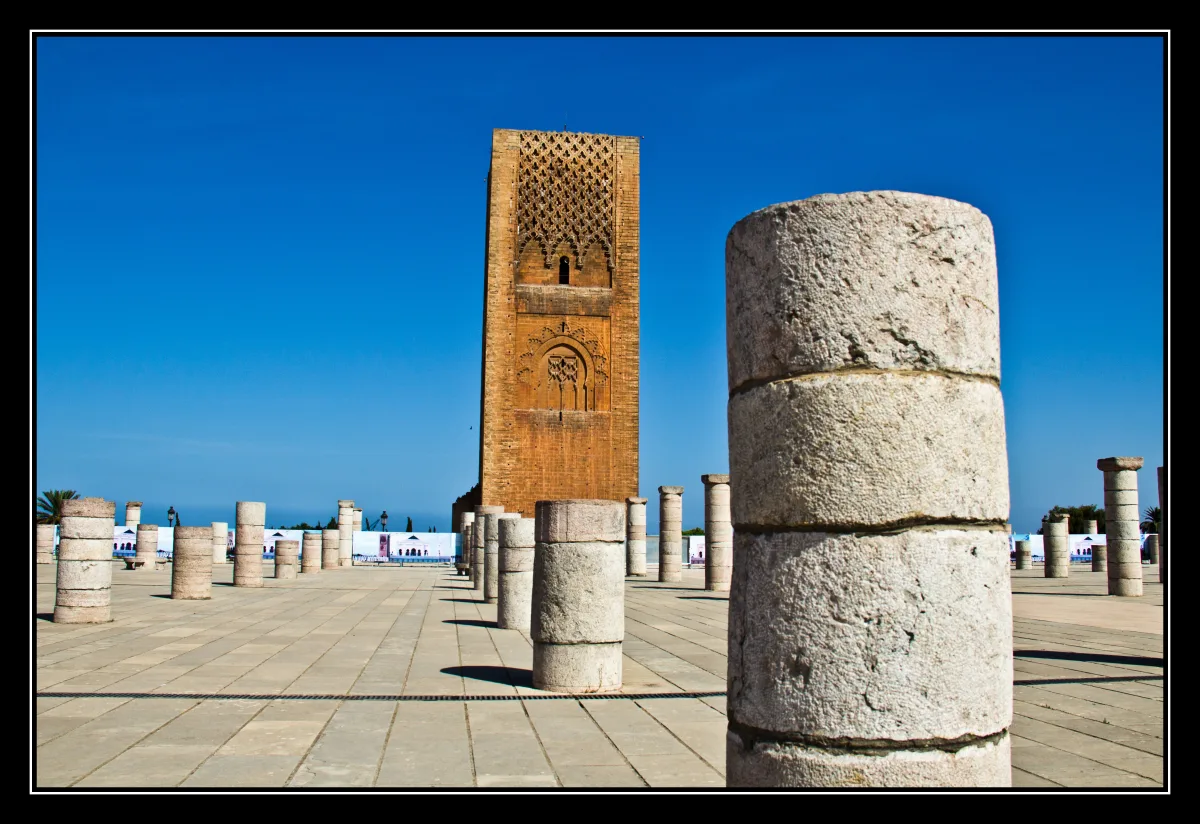
As of 13 November 2026, Rabat is living through its year as World Book Capital, not receiving a newly announced designation. UNESCO published the selection on 8 October 2024 and set 23 April 2026, World Book and Copyright Day, as the start of the celebrations. IFLA, a member of the programme’s advisory committee, identifies 22 April 2027 as the end of Rabat’s period holding the title.
The cultural event in its proper timeline
UNESCO connected the choice with literary development, reading among women and young people, literacy and access to books. These are stated objectives, not outcomes that can be declared achieved because a city holds the title. IFLA’s account particularly highlights libraries, their involvement and the development of reading habits.
In an article published on 15 April 2026, Morocco’s Ministry of Youth, Culture and Communication presented the programme as an opportunity to widen knowledge in public spaces and encourage dialogue between cultures. These sources establish an intended direction. They do not independently evaluate every activity or demonstrate equal access across all neighbourhoods.
Analysis: visibility is not yet access
A cultural title attracts attention, but attention is different from participation. A family may know a festival’s date without knowing where to find an appropriate book for a child. A nearby library may still have hours that are difficult to combine with work. Assessing a book capital can therefore begin with ordinary questions: is information understandable, can materials be borrowed, and is it easy to return?
This does not dismiss large public events. It asks how they connect with daily life. For one person, the important discovery might be an author; for another, a quiet place or somebody who helps with choosing a text. No single measure captures all these experiences, and many will never appear in a photograph of a ceremony.
A library as a relationship, not a storehouse
From this analytical perspective, libraries can give a cultural year a longer memory. That possibility needs practical questions: how does a first-time user discover a service, who can help, and what follows an introductory workshop? Continuing a relationship matters more than repeatedly announcing that an activity exists.
Building that relationship should not be treated as the responsibility of library staff alone. Schools, families, associations and publishers can be considered potential partners. An event might, for example, be followed by references available to borrow or a discussion a month later. This is an editorial proposal, not a practice claimed for every institution in Rabat’s programme.
Different languages, different ways in
A reading initiative can also ask whom its language unintentionally keeps at a distance. Discussions in Arabic, Amazigh or French, or combinations of text, audio and images where useful, are possibilities to consider according to need and resources. The aim is not to rank languages, but to create more routes into an idea while respecting the reader’s experience.
Comparing texts can deepen cultural understanding as well. A group could place a literary account of the city beside a personal account of living there, then ask whose voices remain absent from each. It need not agree on one definitive identity for Rabat. The distance between personal memory and published representation may be where learning starts.
What a reader can do now
A realistic beginning is to choose a local question, such as a neighbourhood’s relationship with its library or the city’s image in literature, then find a suitable text and discussion. After reading, note what remains unclear and what requires another source rather than immediately delivering a rating. At a distance, readers can use resources officially available without assuming that every event has been recorded or streamed.
Assessing what lasts will require looking at continuity: do participants return, do resources remain available, and are barriers reported by non-participants heard? These are suggested criteria, not measured results this article possesses. A book capital’s value can be sought in a renewed relationship between people and reading. That relationship need not end when another city takes up the title.