Summary I Write So the Devil Will Not Devour Me pdf
Quotes from I Write So the Devil Will Not Devour Me pdf
review I Write So the Devil Will Not Devour Me pdf
I Write So the Devil Will Not Devour Me Summary
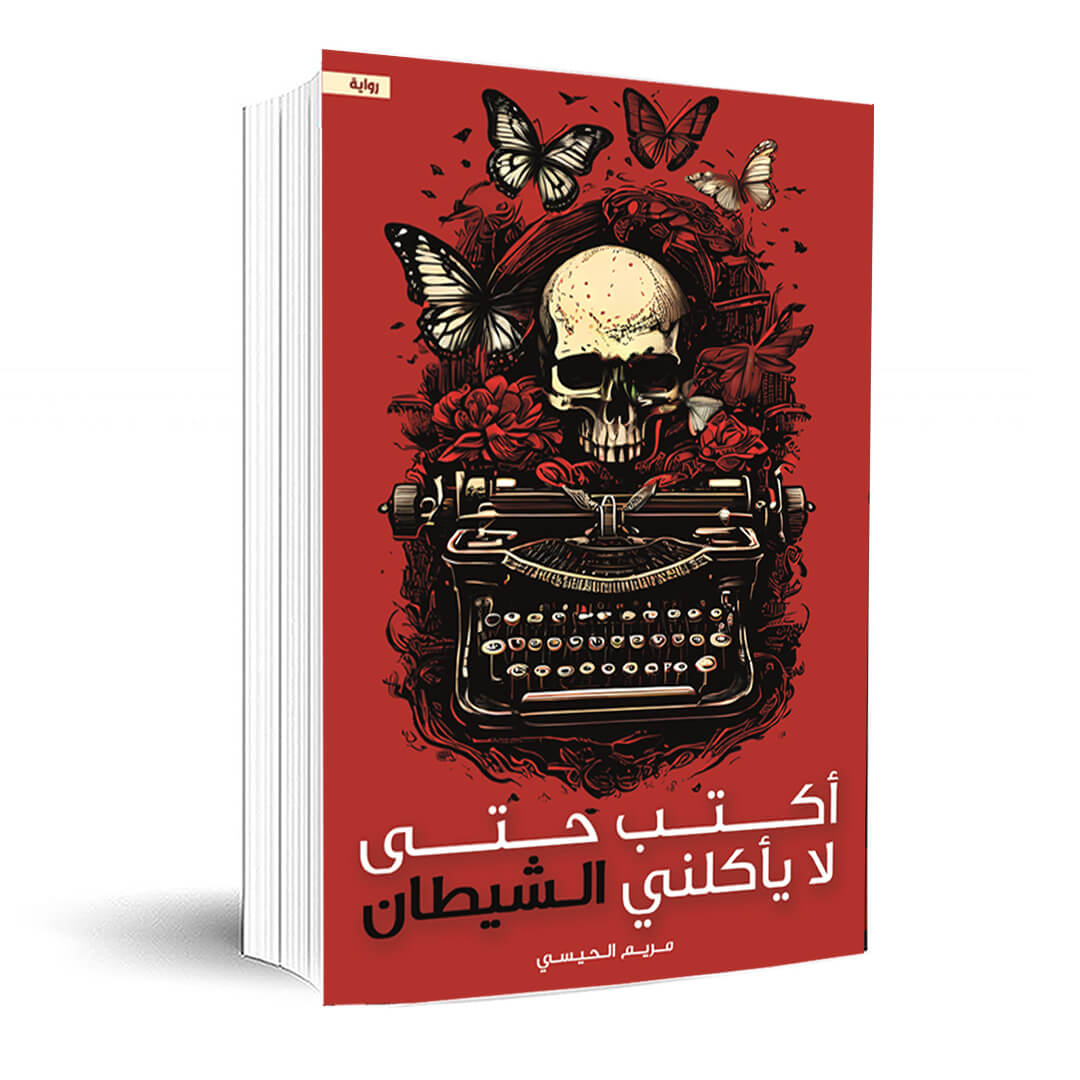
The Arabic novel “Aktub Hatta La Yakulani Al-Shaytan,” presented here under the descriptive English title “I Write So the Devil Will Not Devour Me,” combines horror with the act of writing horror. Mariana is a successful novelist accustomed to controlling dark fictional worlds from a safe distance. That distance disappears when a mysterious figure called the Devil kidnaps her. Stories connect him with other missing horror writers. When she wakes in an isolated place, her talent is no longer a career or private refuge; it has become a condition of survival.
The captor imposes a terrifying rule: Mariana must write stories that satisfy him, or face a punishment he leaves deliberately uncertain. The ordinary relationship between writer and reader is reversed. Her reader is not a distant person who buys a book and posts an opinion. He is a present authority monitoring every word. Mariana studies his preferences, contradictions, and motives. Each piece of information might offer leverage, yet it might also be another trap designed to increase her dependence and persuade her that resistance is impossible.
The closed setting contributes directly to the tension. Time becomes difficult to measure, contact with the outside world is restricted, and small details enter Mariana's calculation of safety. Physical fear overlaps with creative exhaustion. How can someone produce convincing imagination without sleep, freedom, or calm? The blank page no longer represents ordinary writer's block; it becomes a countdown. A novelist who once decided whether her characters lived or died is now forced to submit her own fate to the judgment of one demanding reader.
Stories written by Mariana under pressure appear inside the larger narrative. They mirror her fears and the changing relationship with her captor, moving the reader between horror experienced and horror invented. At moments the boundary is intentionally unstable. This structure asks whether a writer can transform fear into material without becoming more deeply trapped by it. Writing can function as confession, but it can also become a mask through which a victim expresses what cannot be said directly in front of the person controlling her.
The conflict is psychological as well as physical. The Devil tries to reshape Mariana's view of herself and frames the talent that created her success as the reason for her imprisonment. She watches his inconsistencies and protects the remaining space in her mind. Understanding an aggressor can help a victim anticipate danger, but it also creates an ethical risk: explanation may begin to resemble justification. The novel holds this tension between survival strategy, the need to make sense of events, and refusal to accept the abuser's logic.
Without revealing the final turns, clues accumulate around identity, history, memory, and the real reason for the abduction. An apparent answer often opens another question, while pressure makes Mariana's perception less secure. The horror does not rely only on the possibility of a supernatural monster. It also comes from the human ability to become another person's prison and to use language as an instrument of control. The title captures the bargain: Mariana writes to postpone being consumed, both physically and psychologically.
At its deepest level, the novel concerns ownership of a story. The captor wants to possess both the fiction and its creator; Mariana tries to preserve the right to determine what her words mean. Imagination helps organize fear, test reality, and leave a possible trace for someone else. The book is best suited to readers who enjoy slow psychological horror, enclosed settings, and fiction about fiction. Its original edition is Arabic, and the English title used here is informative rather than evidence of an official translated edition.
Book and Author Information
Author: Maryam Al-Haisi, a Saudi novelist working in horror and psychological mystery.
Original Arabic title: أكتب حتى لا يأكلني الشيطان.
Published: Arab Literature Center for Publishing and Distribution, 2024.
Page count: 482 pages in the Arabic edition catalogued by Google Books.
Main Themes of the Novel
Writing as survival
Creation loses its freedom but gives Mariana a way to organize fear and gain time.
The reader as authority
The captor reduces the literary relationship to forced approval on which the writer's life depends.
Fiction inside fiction
Mariana's stories reflect her experience and disturb the boundary between confession and invention.
Understanding is not excusing
Reading an aggressor may support survival without making violence acceptable.
Honest Review and Rating
Editorial rating: 3.8 out of 5. The premise is compelling, embedded stories add mystery, and the closed setting produces a strong feeling of surveillance.
Length, description, and repeated internal reactions slow the pace. The story includes abduction, threats, and psychological violence, so it will not suit every reader.
Frequently Asked Questions
1. What genre is the novel?
An Arabic psychological-horror and mystery novel that uses stories within the story.
2. Who is Mariana?
A successful horror novelist whose writing becomes a condition of survival.
3. Is the Devil supernatural?
The narrative deliberately keeps the identity and meaning of the nickname uncertain for much of the story.
4. Does this summary reveal the ending?
No. It explains the premise, conflict, and themes without exposing the final turns.
5. Who may enjoy the book?
Readers who like slow psychological horror, enclosed settings, and fiction about the creative process.
"I Write So the Devil Will Not Devour Me pdf": If it appears on the site in a way that violates copyright, please contact us immediately via the contact form or email to have it removed immediately out of respect for intellectual property rights. Call us: contact@market-books.com
Share the book with your friends


I Write So the Devil Will Not Devour Me pdf
I Write So the Devil Will Not Devour Me pdf مترجم
I Write So the Devil Will Not Devour Me pdf in french
I Write So the Devil Will Not Devour Me pdf en france
I Write So the Devil Will Not Devour Me pdf en français
I Write So the Devil Will Not Devour Me pdf بالفرنسية
I Write So the Devil Will Not Devour Me pdf in English
I Write So the Devil Will Not Devour Me pdf en anglais
I Write So the Devil Will Not Devour Me pdf بالإنجليزية
I Write So the Devil Will Not Devour Me pdf in Arabic
I Write So the Devil Will Not Devour Me pdf en arabe
I Write So the Devil Will Not Devour Me pdf بالعربية
I Write So the Devil Will Not Devour Me pdf in Arabic
I Write So the Devil Will Not Devour Me pdf in English
I Write So the Devil Will Not Devour Me pdf in french
I Write So the Devil Will Not Devour Me pdf in french For free
I Write So the Devil Will Not Devour Me pdf en france For free
I Write So the Devil Will Not Devour Me pdf en français For free
I Write So the Devil Will Not Devour Me pdf بالفرنسية For free
I Write So the Devil Will Not Devour Me pdf in English For free
I Write So the Devil Will Not Devour Me pdf en anglais For free
I Write So the Devil Will Not Devour Me pdf بالإنجليزية For free
I Write So the Devil Will Not Devour Me pdf in Arabic For free
I Write So the Devil Will Not Devour Me pdf en arabe For free
I Write So the Devil Will Not Devour Me pdf بالعربية For free
I Write So the Devil Will Not Devour Me pdf in Arabic For free
I Write So the Devil Will Not Devour Me pdf in English For free
I Write So the Devil Will Not Devour Me pdf in french For free
Books in the same category
Download A novel in my heart is a female Hebrew pdf
Download a Novel 11:11 A myth is better than a thousand facts pdf