A United Nations release published by UNFCCC on 13 November 2026 confirms the launch of action priorities on AI and climate-information integrity at COP31. These are action directions, not a new binding treaty. For an everyday reader, the practical question remains: how should a persuasive climate answer be examined before it is believed or shared?
Turn the answer into a checkable claim
One response may mix a temperature projection, an emissions number and a dramatic image. Do not try to verify the entire package in one movement. Select a specific sentence. Does it concern one city or the world, one year or a long-term average, an observation or a prediction? A focused question is easier to match to evidence.
This prevents one accurate statement from lending credibility to everything around it. A respected institution's name does not verify every figure in the paragraph. A link may lead to a genuine report without that report supporting the conclusion attached to it. The task is to locate the relevant claim within the document, not merely confirm that a document exists.
Read the source, date and unit together
Trace the information back to the organisation producing the data rather than the account relaying it. Find both the publication date and the period covered. A new article may legitimately use older data; the problem arises when those data are presented as a measurement of the present day. Check whether the source has also issued a correction or a newer version.
Then establish what is being compared. Temperature, annual emissions and emissions per person answer different questions. Record the geographical area, baseline period and relevant sector. A percentage change is not an absolute quantity. If these details are missing, suspend the comparison rather than supply a plausible guess for each gap.
A scenario is not an event that has already happened
A development considered possible under certain conditions should not become inevitable in a summary. Look for assumptions, the time horizon and the boundary between the reported finding and an added interpretation. Uncertainty ranges do not make knowledge worthless; they help specify what the evidence can and cannot support.
For an ongoing flood or heat emergency, prioritise dated local official alerts and instructions. A general illustration or an old forecast recycled online is not a current safety notice. This article is about reading information critically, not providing forecasts or replacing instructions from the responsible authorities.
Do not let an image finish the argument
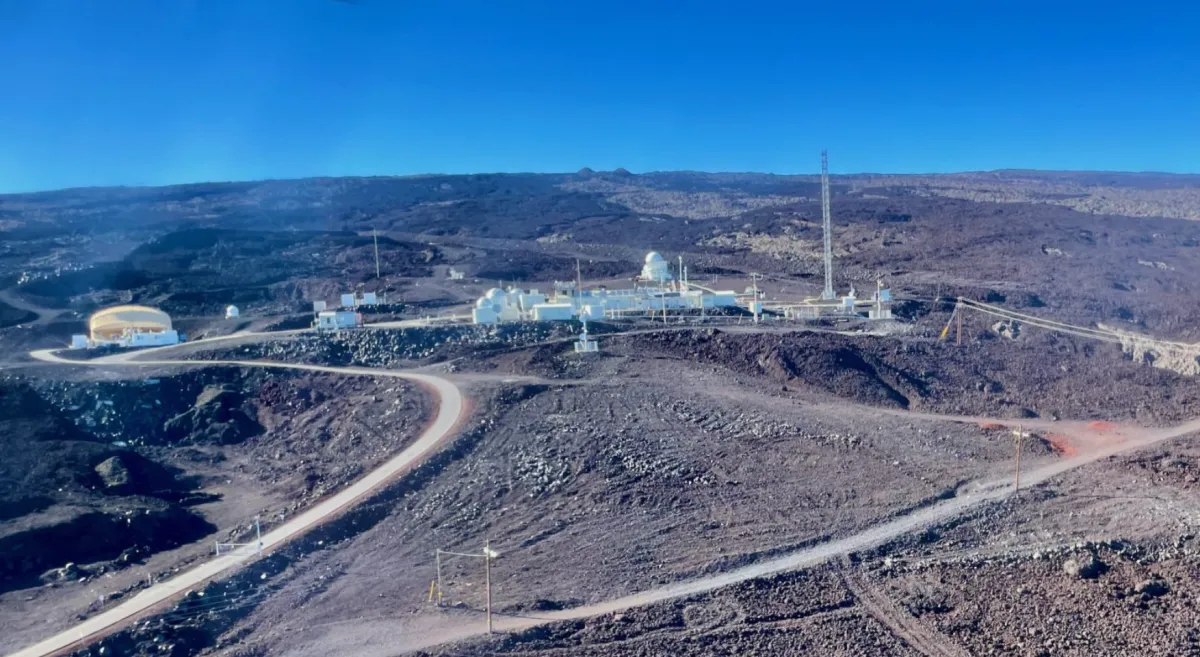
Ask for an image's origin, date and location, and look for earlier appearances. An unusual visual detail alone does not establish that it is fake. Equally, a realistic appearance does not make it documentary proof. An image created to illustrate a topic should be labelled as illustrative instead of presented as a photograph of a particular event.
Before sharing, write a brief note recording the claim, its source, its date and what remains uncertain. If the supporting reference cannot be found, say you have not verified it yet. Do not turn doubt into an absolute denial or possibility into certainty. The usefulness of an answer is not determined by how quickly it arrives or how confidently it reads. Sometimes the soundest editorial choice is to wait for a missing detail.