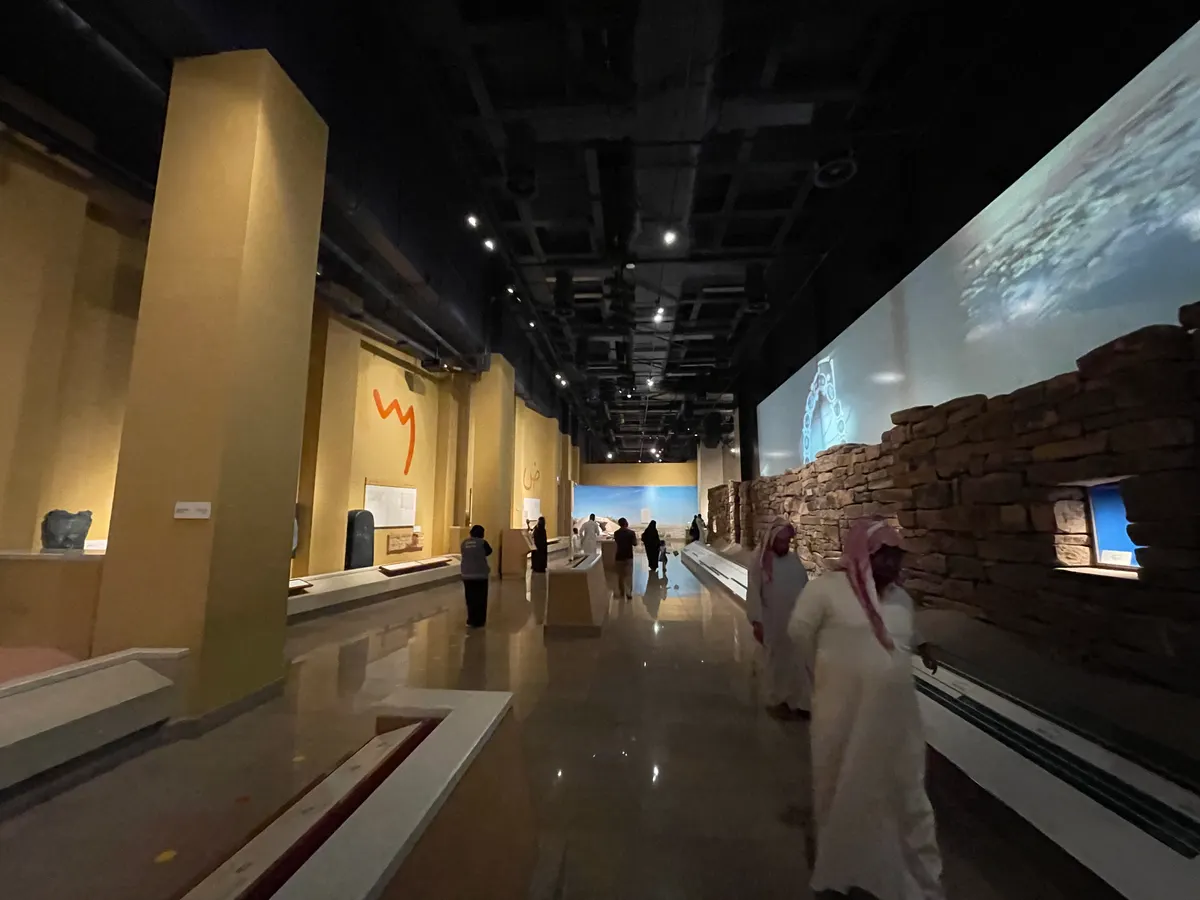
The Saudi National Museum’s autumn programme runs from November 19 to 28, 2026, with interactive experiences, creative workshops and live arts, according to SPA’s November 19 announcement. It offers a reason to think of a museum as a place for reading, not simply a setting for photographs.
Reading does not require stopping for a long time at every panel. One object can be enough if it receives genuine attention. The approach below is our editorial suggestion, not an eyewitness report or a description of any particular activity in the programme.
Begin with what you can observe
Before reaching for a phone, notice an object’s shape, apparent material, size and any visible marks of use. Describe those details without immediately inventing a story. “A shiny surface” is an observation; “it belonged to a wealthy person” is an interpretation requiring further evidence. Keeping the distinction changes the quality of looking.
Then read the label. What is the object called? Which period and place are attached to it? Is its function established or suggested? Words such as “probably” and “attributed to” tell readers where certainty ends. They deserve as much attention as a striking date or familiar name.
Ask about what is missing
How did the object enter the collection? Did its use change? What is known about its maker? A short label cannot answer everything. Recording a question for a guide or later research is more useful than treating absent information as permission to supply a dramatic alternative.
With children, try finding two similarities and one difference between objects, if the display allows it. This need not become a contest in prior knowledge. Understanding also does not require touching: follow the institution’s rules for galleries, photography and hands-on activities.
Find a book that continues the question
After the visit, look for a source at the right scale: the history of a craft, an account of a city, or an introduction to a material and technique. Check its contents and references instead of choosing a title promising every secret of a civilisation. A short documented museum entry may be more valuable than a long anonymous article.
Finish with three lines: what I saw, what the label told me, and what remains unknown. Separating those levels turns a souvenir into a small exercise in reading evidence. Anyone planning to attend should still check the museum’s current opening times and activity arrangements before travelling.