Start with a task, not a format argument
Following a novel, preparing a review, finding a term and examining an illustrated page are different tasks. Ask what you want to do with the book, under what conditions and with which tools. This guide offers a practical comparison, not a claim that print, screens or audio always improve understanding. It does not assign people permanent learning styles that require one medium.
Compare the functions you need
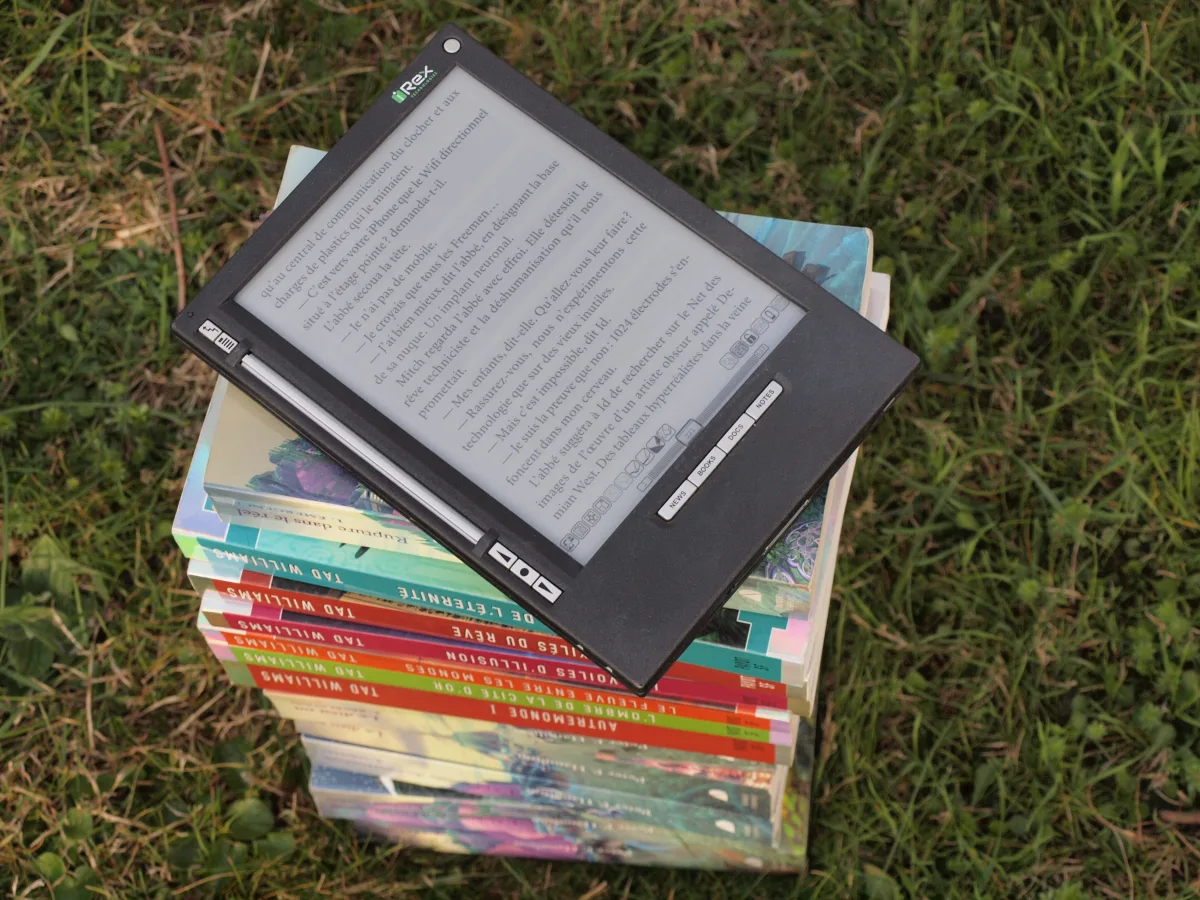
If you repeatedly consult notes or compare passages, test navigation and bookmarking in the proposed edition. You may value physical page turning, or need text search and portability. Do not assume every digital book is searchable: a file may consist of page images. Nor does having a file establish that it is complete or comfortable to use on a small phone.
For audio, inspect chapter divisions, bookmarks and returning to a specific point. Listen to a sample of the actual performance rather than an advertisement. Pronunciation, pace and voices affect your experience without determining the quality of the original writing. Check whether the recording is complete or abridged and how you can access important appendices, tables and supporting material.
Make accessibility a real test
Library guidance notes that features differ across files and platforms. Accessible-publishing resources address issues such as reading order, navigation and image descriptions. Try the functions you actually require: changing text size, using a keyboard or screen reader, reaching footnotes and understanding a table. An accessible label or file extension does not establish that every function works on your device.
Fixed layout may preserve a page's appearance while limiting adjustment. Other versions also depend on how they were prepared and the reading software. If an essential function fails, ask the library or publisher about alternatives before paying. Format choice should not become a contest in seriousness: practical access matters more than demonstrating someone else's preferred kind of reading.
Check access and licensing before committing
Libraries including Warwick and the National Library of New Zealand explain that restrictions can concern devices, downloading, duration and use. Read the current terms for the particular title. Is it a purchase, subscription or loan? What happens when a subscription ends? Is an internet connection required? Can notes be exported, and can another device open the book? One platform experience should not be generalized to every service.
Digital protection does not automatically make a product unsuitable, and its absence does not authorize public redistribution. Technical ability to copy a file is different from permission. A search result is also not proof that a book is legitimately free. Prefer an identifiable publisher, library or source explaining its basis for access. Terms change, so check when needed rather than relying on an old list of features.
Test a representative section
Before acquiring several versions, find an authorized sample showing the book's particular demands. For a novel, dialogue and description may expose different preferences. For a practical book, inspect an example and a note. Could you find the required location, record a question and return to it? Was something essential missing? These are observations about use, not a scientific experiment measuring your ability or establishing a rule for everyone.
Combine formats without unnecessary duplication
You might listen for continuity and use an authorized text edition to check particular passages. First verify that translation and content match before comparing page numbers with audio time. If quoting, confirm the wording in the edition you identify. On Market Books, also separate the language of the overview from the language of the available copy: a French description does not establish that a French recording exists.
Is listening less serious than visual reading?
An abstract hierarchy is not helpful. Ask what you need to access and whether this particular edition makes it available.
How should I make the final choice?
Write three essential needs and one non-negotiable access condition, then choose the copy that meets them. Reconsider when the task changes; you do not need a permanent identity as a print, digital or audio reader.