A MAP-attributed report published on 26 November 2026 describes Dakhla’s regional book fair opening the previous evening and continuing until 2 December, with a closing poetry programme planned in Hassani and standard Arabic. This editorial is not an account of an on-site visit.
Arrive with a question, not an obligation
We suggest a small personal starting point: a story about a place, a short poetry collection or something to discuss with a child. A question opens a conversation without restricting the answer. The duty to find the best book in the fair can instead turn every shelf into an examination before a visitor has read anything.
Leaving with a note rather than a shopping bag is also legitimate. Record a title and publisher for a later library search, or ask for a catalogue if one is available. An unfamiliar name is not automatically a hidden masterpiece. It simply deserves a specific opportunity, after which readers can decide according to their interests, time and budget.
Ask three questions at a stand
First establish what kind of book you are considering: fiction, research or collected testimony? Next ask about the edition and whether it belongs to a series. Finally, politely request a chance to look at a page. These are suggested questions, not an assumption that every exhibitor offers identical services or permits unrestricted browsing.
During that sample, notice one quality that matters to you: a clear argument, a sentence’s rhythm or a way of introducing a character. A minute cannot deliver a final verdict, but it can offer a reason to continue. With a familiar subject, distinguish disagreement with a proposition from a failure to support it. A well-constructed book may be worth reading precisely because it challenges you.
Listen before arranging a hierarchy
At a poetry reading, someone unfamiliar with every word can follow pauses and repeated sounds, then record a question. Incomplete immediate understanding is not a verdict on a language’s value. Conversely, knowing the vocabulary does not guarantee an understanding of the poem. If conversation is possible, ask about a printed text or an accessible explanation.
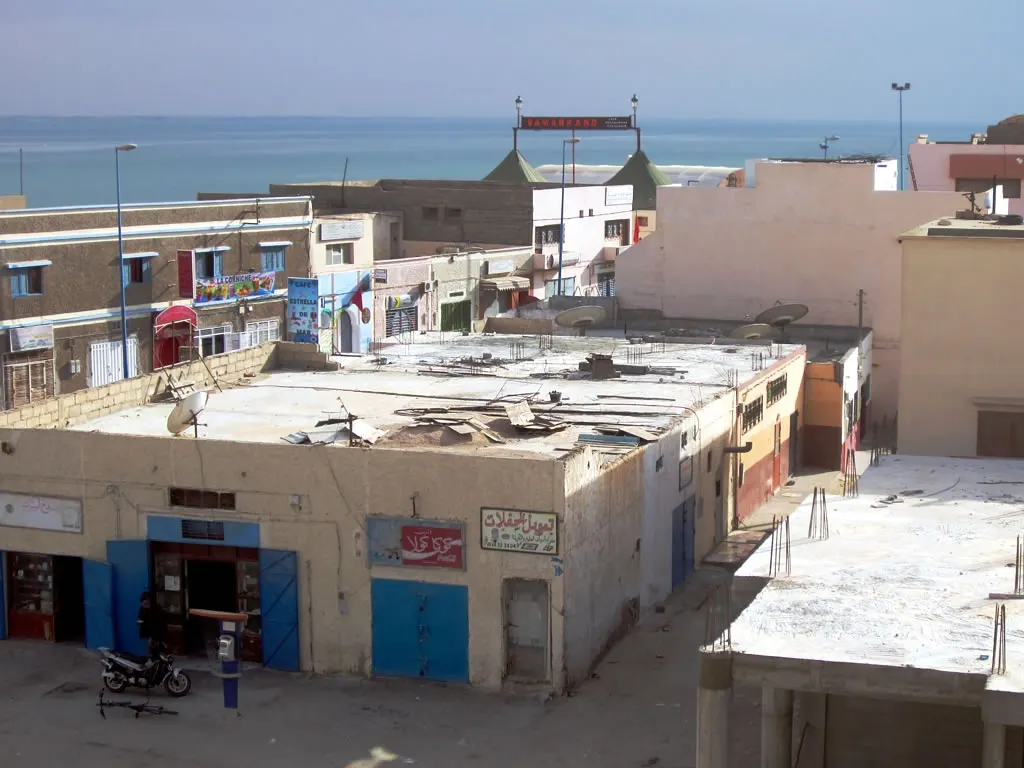
These suggestions do not describe visitors’ actions or remarks at an evening still announced. An older city photograph provides geographical context, not evidence of the current stands. A new name, a page worth revisiting and a more precise question can be a reasonable result, even without a list of purchases.