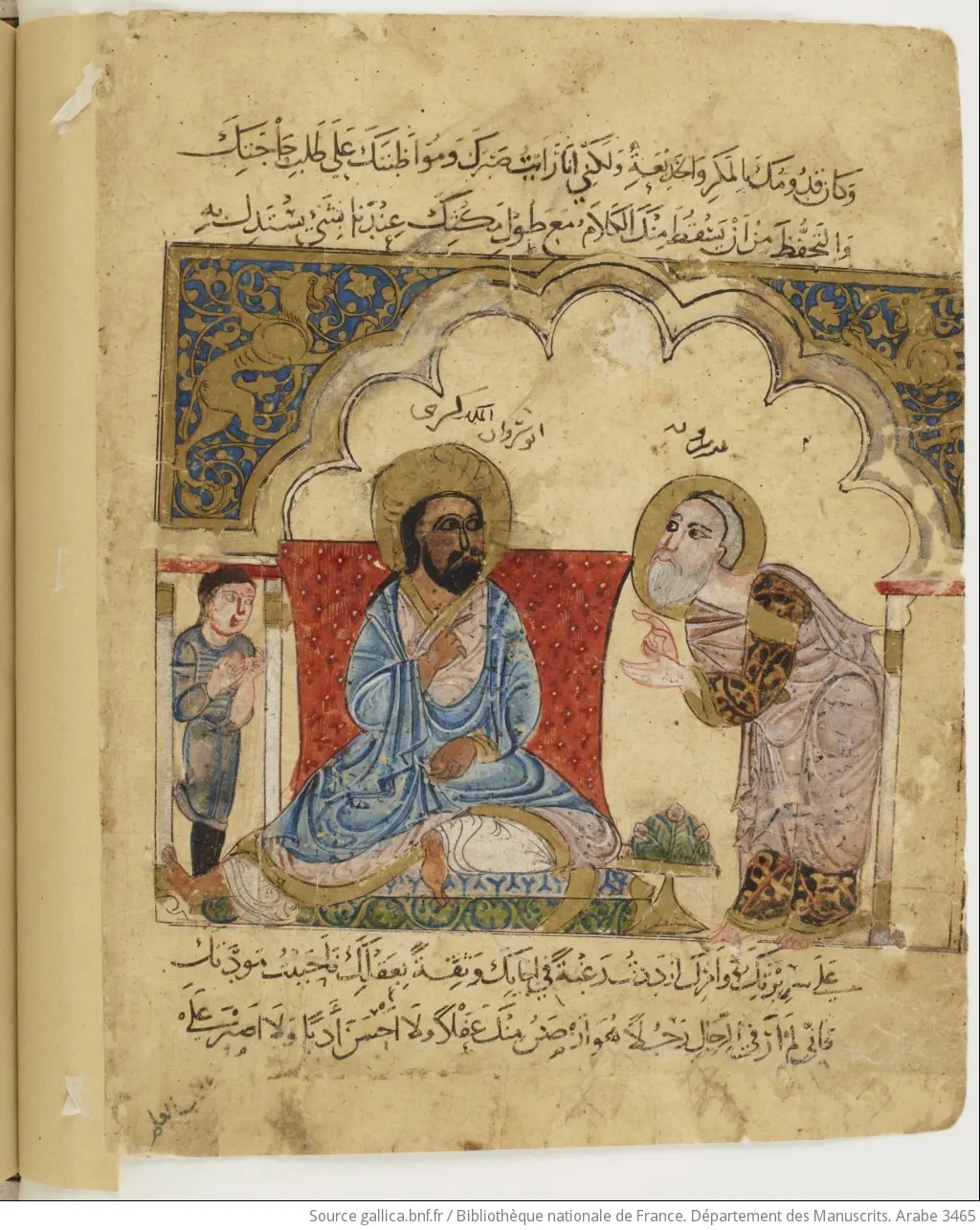
The official journal of Casablanca’s children’s book fair reported on 24 November 2026 on an immersive Kalila and Dimna space connecting storytelling with nature. The fair runs from 21 to 29 November. Our extension below is editorial, not an assessment of learning outcomes.
An animal character is not a science lesson
Begin with a short story from a lawfully obtained edition. Ask what the character wants and what it fails to anticipate, rather than demanding an immediate moral. A child may remember a funny scene or an unfamiliar expression before noticing any environmental connection. That interest deserves attention without being redirected instantly towards the adult’s preferred answer.
Next separate the story’s world from observation. A talking animal belongs to literary invention; its actions do not automatically provide information about the species. Make two spaces on a sheet: what happens in the tale, and what we would like to investigate outside it. Fiction keeps its freedom, while a factual question gets a different route.
Make observation small and accessible
We suggest choosing something nearby and safe: a schoolyard tree, a windowsill plant or a shadow. The child describes one detail and marks what is imagined. A leaf might resemble a hand; counting its visible points is a different activity. Poetic comparison and observation can coexist without being presented as interchangeable kinds of information.
There is no need to claim that one exercise transformed behaviour or increased environmental awareness. A modest, describable result could be a clear question, a drawing and a revised sentence. Where children disagree, return to the visible detail or preserve the question for later research. A confident delivery should not count for more than the available evidence.
Create without prescribing the ending
For the creative step, invite a short conversation between two beings sharing a place. What does each want, and what is difficult to share? Let the child choose a resolution or leave the disagreement open. A drawn page or an oral reading is enough; participation should not depend on special equipment or another purchase.
These suggestions can change with age and available time; they do not describe a workshop we attended. If a historical miniature accompanies the article, it illustrates the storytelling tradition, not the fair’s installations. The point is to preserve pleasure and questioning, allowing a connection with nature to emerge without turning every story into a closed moral assignment.